
Europe, a continent of diverse cultures, stunning landscapes, and rich history, offers myriad travel opportunities. While the Schengen Area often takes center stage for its seamless border-free travel, a significant number of non-Schengen countries also dot the European map. Understanding the distinction between Schengen and non-Schengen countries is crucial for anyone planning a European adventure in 2026, especially when considering visa requirements and travel freedom. This detailed article will explore the non-Schengen countries list in 2026, delve into specific regional considerations like europe non schengen destinations, and address important visa nuances such as the schengen visa for non eu spouse and investment programs like the golden visa.
The Schengen Area and Its Counterparts
Before diving into the specifics of non-Schengen countries, it's essential to grasp the core concept of the Schengen Area itself. This understanding forms the bedrock for navigating visa policies across Europe.
Definition and Scope of the Schengen Area
The Schengen Area is a zone encompassing 29 European countries that have largely abolished internal border controls, allowing for the free and unrestricted movement of people among them. Established in 1985, its primary goal was to facilitate easier travel, trade, and enhanced security across participating nations. When you hear about non-Schengen countries, you're essentially referring to European nations that are not part of this border-free zone. The non-Schengen countries list is therefore a collection of states that maintain their own individual border controls and visa policies, separate from the unified Schengen system. Travelers moving between a Schengen country and a non-Schengen country will undergo border checks. The sheer volume of searches for non schengen countries underscores the widespread interest in distinguishing these areas for travel planning. Similarly, terms like "non schengen visa countries list and non schengen countries list highlight the need for clear enumeration of these destinations. Even non schengen countries' map points to a desire for visual clarity on this distinction.
It's important to remember that the Schengen Area is not a geographical region in itself but a political agreement. Countries within it may not even share physical borders, as exemplified by Iceland. The system functions on the principle that robust external border checks compensate for the absence of internal ones, enhancing overall security.
EU vs. Schengen: A Crucial Distinction
A common misconception is that all European Union (EU) member states are also part of the Schengen Area, and vice versa. However, this is not the case. The EU is a broader political and economic union of 27 member countries that share common institutions and laws on a wide range of matters, including trade, agriculture, and environmental policy. The Schengen Area, while largely overlapping with the EU, has a distinct focus on free movement and border control.
Let's clarify the relationship:
- EU countries NOT in Schengen: As of 2026, Cyprus and Ireland are EU member states that are not part of the Schengen Area. Ireland has opted out, while Cyprus is in the process of joining but has not fully implemented the Schengen acquis for all border types yet. The keyword "cyprus schengen countries are non-schengen" directly addresses this ongoing nuance.
- Non-EU countries IN Schengen: Conversely, there are 4 non-EU countries in schengen: Iceland, Liechtenstein, Norway, and Switzerland. These countries, while not politically or economically integrated into the EU, participate in the Schengen agreement due to their geographical location and strong ties with the EU. This distinction is vital for understanding the list of schengen countries in the European Union vs. those that are simply outside Schengen.
The term "list non schengen countries european union" can be slightly misleading, as it implies countries within the EU that are not in Schengen, which primarily refers to Ireland and Cyprus. However, it can also be interpreted more broadly to mean "countries that are neither in Schengen nor the EU." Understanding this nuance is key to accurate travel planning.
European Non-Schengen Countries in 2026
For travelers seeking to explore europe non schengen destinations in 2026, there's a diverse array of countries offering unique experiences and distinct entry requirements. The popularity of searches for europe non schengen list of non schengen countries in europe and non schengen countries in europe underscores the significant interest in these destinations.
General Overview of European Non-Schengen Travel
When planning a trip to non-Schengen European countries, it’s important to remember that each of these nations maintains its own sovereign visa policy. This means that a visa granted for one non-Schengen country will generally not grant entry into another non-Schengen country, nor will it permit entry into the Schengen Area. This contrasts sharply with the Schengen system, where a single visa allows movement across multiple member states. Therefore, travelers must research the specific entry requirements for each individual non-Schengen country in Europe they intend to visit.
The phrase "name of non schengen european countries" is a direct query reflecting the need for a definitive list. Similarly, "non schengen european countries" (volume 4) emphasizes the collective interest in this group.
Current Non-Schengen Status in Europe (2026)
As of 2026, the landscape of non-Schengen countries in Europe includes several nations, some of which are aspiring to join the Schengen Area in the future, while others have no immediate plans to do so. It's crucial to stay updated on their current status.
Here's an overview of prominent non-Schengen countries in Europe:
- Albania: Albania non schengen countries status remains in 2026. Located in the Balkans, Albania is known for its stunning coastline, rugged mountains, and rich history. While an EU candidate country, it is not part of the Schengen Area and requires its own separate visa for many nationalities. For example, Indian citizens typically require a visa to visit Albania.
- Andorra: Andorra non schengen countries status continues. This small, landlocked principality nestled between France and Spain, while not officially part of the Schengen Area, functions as a "de facto" non-Schengen zone due to its unique geographical location. Visitors typically enter Andorra via Spain or France, requiring a multiple-entry Schengen visa if their nationality requires one for these bordering countries. No direct visa is needed for Andorra itself, but entry is facilitated by valid access to its neighbors.
- Bosnia and Herzegovina: Located in the Western Balkans, Bosnia and Herzegovina remains a non-Schengen country. It has its own visa regime, and requirements vary by nationality.
- Croatia: While Croatia joined the Schengen Area for air and sea borders in early 2023, its full integration across land borders was completed by January 2026. This means that croatia non schengen countries" is largely outdated for 2026; Croatia is now fully within the Schengen zone. This marks a significant shift in its travel status.
- Cyprus: Cyprus non schengen countries status persists. As an EU member, Cyprus is legally obliged to join the Schengen Area but has not yet met all the necessary criteria for full implementation of the Schengen acquis. Therefore, it remains a non-Schengen country with its own distinct visa policy. The Cyprus Schengen countries are non-schengen and perfectly captures this transitional and somewhat ambiguous status.
- Ireland: Ireland explicitly chose to opt out of the Schengen Area upon its formation. Thus, Ireland non schengen countries" remains accurate for 2026. It maintains its own Common Travel Area with the United Kingdom, allowing free movement between the two islands.
- Kosovo: This partially recognized state in the Balkans is a non-Schengen country with its own visa regulations.
- Moldova: Located in Eastern Europe, Moldova is a non-Schengen country and has its own visa requirements.
- Monaco: Similar to Andorra, Monaco is a microstate with "monaco non schengen countries" status, but it's largely accessible via France and thus, practically, visitors usually need valid entry into France.
- Montenegro: Montenegro non schengen countries status continues. This Balkan nation, known for its stunning coastline and mountains, operates its own visa system.
- North Macedonia: Another Balkan country, North Macedonia non schengen countries status is in effect for 2026, with its own visa policies.
- Romania: Like Croatia and Bulgaria, Romania joined the Schengen Area for air and sea borders in March 2024, and its full accession, including land borders, occurred by January 2026. Therefore, the term "romania non schengen countries" is now largely obsolete for general travel purposes within 2026, as it is a full Schengen member.
- Russia: The European part of Russia is a vast non-Schengen country with a complex and often stringent visa regime.
- San Marino: A microstate entirely surrounded by Italy, San Marino non schengen countries' status is effectively managed through Italy's Schengen borders. Visitors usually enter via Italy.
- Serbia: Serbia non schengen countries status is confirmed for 2026. This Balkan country has its own visa regulations, with many nationalities enjoying visa-free entry for short stays.
- Ukraine: Given the ongoing conflict, Ukraine's status as a non-Schengen country remains, with specific travel advisories and visa requirements in place.
- United Kingdom: Following Brexit, the United Kingdom non schengen countries status is firmly established. It operates its own independent visa and immigration system.
It is critical for travelers to consult the official embassy or consulate websites of each of these non-Schengen countries in Europe they plan to visit to obtain the most up-to-date and accurate visa information for their specific nationality.
Visa Considerations for Non-Schengen Travel
Navigating the visa landscape for non-Schengen countries often involves understanding specific categories and exemptions that go beyond general tourist visas.
Spousal Visas: Schengen Visa for Non-EU Spouse
A significant area of concern for many individuals is the schengen visa for non eu spouses. This keyword boasts a volume of 100, indicating a high demand for information on this particular topic. If you are a national of a third country (non-EU/EEA/Switzerland) married to an EU/EEA/Swiss citizen, special provisions often apply when applying for a Schengen visa to join your spouse in the Schengen Area.
- Exemption from Fees: Often, spouses of EU/EEA/Swiss citizens are exempt from the standard Schengen visa fee. This is a considerable benefit compared to other applicants.
- Required Documents for Schengen Visa for Non-EU Spouse: While the process is generally facilitated, specific documentation is still required to prove the marriage and the EU/EEA/Swiss citizenship of your spouse. This typically includes:
- Marriage certificate (legalized and translated if necessary).
- Copy of your spouse's valid EU/EEA/Swiss passport or national ID card.
- Proof of your spouse's residence in the Schengen country (if they are already residing there).
- Your own valid passport.
- Visa application form.
- Travel medical insurance (though sometimes waived if the spouse has comprehensive insurance).
- Proof of kinship (e.g., birth certificates for children).
- Purpose of Travel: The purpose of your travel will be explicitly stated as "family reunification" or "joining an EU/EEA/Swiss citizen."
- Faster Processing: Applications for a Schengen visa for non EU spouses are often prioritized and processed more quickly than standard Schengen visa applications, typically within 15 days, though it can extend up to 30-60 days in complex cases.
- Application Location: You should apply at the consulate or embassy of the Schengen country where your spouse resides, or where you intend to spend the majority of your time together.
- Right to Free Movement: It's important to note that once the schengen visa for non eu spouse is granted, it typically allows the non-EU spouse the right to free movement within the entire Schengen Area for short stays (up to 90 days in any 180-day period) alongside their EU/EEA/Swiss spouse. For stays longer than 90 days, the non-EU spouse would need to apply for a national long-stay visa or residence permit in the specific EU country where they intend to reside with their spouse.
This simplified process for the Schengen visa for non-EU spouses is a reflection of the EU's commitment to family reunification and the free movement rights of its citizens.
Investment Visas: Golden Visas for Schengen Countries for Non-European Citizens
The concept of "golden visas" or "citizenship by investment" programs has gained traction among non-European citizens seeking residency and increased travel freedom, often including access to the Schengen Area. The keywords "gold visa for schengen countries for non european" and "golden visa for schengen countries for non european" refer to these programs.
While these programs do not grant immediate citizenship, they offer a path to residency and, eventually, citizenship in exchange for significant investment in a participating country's economy. Many of these programs are offered by EU member states that are also part of the Schengen Area, thereby granting successful applicants significant travel benefits.
- What are Golden Visas? These are residency-by-investment programs where individuals (often non-European) invest a substantial amount of capital into a country's economy – typically through real estate, job creation, or government bonds – in exchange for a residence permit.
- Schengen Access: A key appeal of golden visas for Schengen countries for non-Europeans is the ability to obtain a residence permit from a Schengen member state. This permit allows the holder to travel visa-free throughout the entire Schengen Area for up to 90 days in any 180-day period, just like any other Schengen resident. This is a significant advantage for global mobility.
- Participating Countries (Examples): Several EU and Schengen countries offer such programs, though regulations and investment thresholds vary. Popular destinations for golden visa for schengen countries for non european include:
- Portugal: Known for its diverse investment options (real estate, fund subscriptions, capital transfer).
- Greece: Offers a relatively affordable real estate investment option.
- Malta: Offers both residency and citizenship by investment programs.
- Cyprus: While not fully in Schengen, it has offered investment programs which provided a path to EU citizenship. It's crucial to distinguish between its EU membership and its current non-Schengen countries status for travel purposes.
- Benefits Beyond Schengen: Beyond Schengen access, golden visa for schengen countries for non european can offer:
- The right to live, work, and study in the issuing country.
- A pathway to permanent residency and eventually citizenship (after a certain period, meeting language and other integration requirements).
- Tax benefits in some cases.
- Increased global mobility and visa-free access to many other countries worldwide (depending on the passport obtained).
- Due Diligence: Due to the significant financial commitment, it is highly advisable for any non-European individual considering a gold visa for schengen countries for non-Europeans to conduct thorough due diligence and seek advice from legal and financial experts specializing in these programs. The landscape of these programs can change, and it's essential to understand all requirements and potential risks.
The Non-Schengen Map (2026)
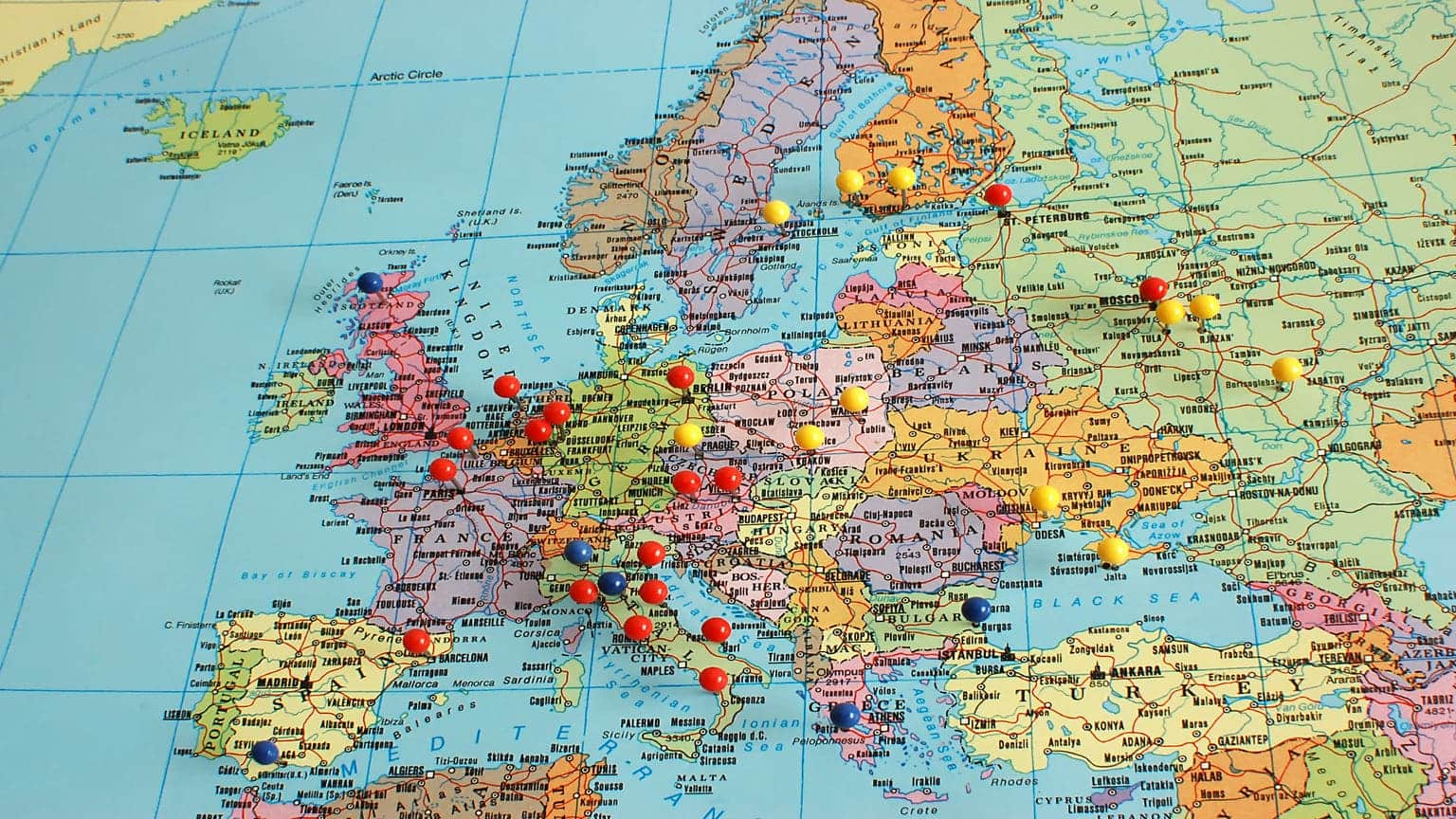
To fully comprehend the European travel landscape in 2026, a closer look at the non schengen countries map is essential. This visual understanding reinforces the theoretical distinctions discussed earlier.
Geographical Clusters of Non-Schengen Countries
When looking at the non schengen countries map, several geographical clusters become apparent:
- The Balkans: This region historically hosts many non-Schengen countries in Europe, including Albania, Bosnia and Herzegovina, Kosovo, Montenegro, North Macedonia, and Serbia. While some, like Croatia, have joined Schengen, others remain outside, each with its distinct visa policy.
- Eastern Europe: Countries like Moldova, Ukraine, and the European part of Russia are also firmly on the non schengen countries map.
- Islands and Outliers: Ireland and Cyprus represent unique cases as EU members that are non-Schengen countries. The United Kingdom, post-Brexit, is another significant outlier.
- Microstates: Andorra, Monaco, San Marino, and Vatican City, while surrounded by Schengen countries, technically remain non-Schengen countries but are practically accessible through their Schengen neighbors.
Understanding these geographical groupings helps in planning multi-country itineraries that might involve crossing between Schengen and non-Schengen countries. Each such crossing will typically involve standard border control checks.
Tips for Traveling Between Schengen and Non-Schengen Zones
- Separate Visas: Always assume you need a separate visa for each non-Schengen country you visit, even if you hold a Schengen visa. Your Schengen visa only grants you access to the Schengen Area, not automatically to non-Schengen countries.
- Border Controls: Be prepared for border checks (passport control, customs) every time you enter or exit a non-Schengen country, or move between a Schengen and a non-Schengen country.
- Check Validity Periods: Pay close attention to the validity and maximum stay periods of each visa you obtain. Overstaying a visa in any country, whether Schengen or non-Schengen, can lead to severe penalties, including fines, detention, and travel bans.
- Travel Insurance: Comprehensive travel insurance that covers medical emergencies, trip cancellations, and other unforeseen events is highly recommended for all European travel, regardless of Schengen status. Some visa applications, including certain Schengen visas, mandate specific insurance coverage.
- Currency Differences: While many EU countries use the Euro, non-Schengen countries in Europe will likely have their own national currencies. Be prepared with local currency or international payment methods.
The Future of Schengen and Non-Schengen Europe
The dynamic nature of European integration means that the non schengen countries list is not static. Developments in 2026, such as the full accession of Bulgaria and Romania to the Schengen Area, demonstrate this ongoing evolution.
Schengen Expansion and Aspirations
The ultimate goal for many EU members who are currently non-Schengen countries, like Cyprus, is full Schengen integration. This process is complex, involving strict criteria related to border management, data protection, and judicial cooperation. As more countries join, the Schengen Area expands, further simplifying travel within Europe for many.
The continued expansion of Schengen underscores the benefits seen by member states in fostering free movement and enhanced security cooperation. This expansion will continually reshape the non schengen countries map as some nations transition.
Impact of Global Events
Global events, such as public health crises or geopolitical shifts, can also influence border policies and temporary restrictions, affecting both Schengen and non-Schengen countries. While the core Indonesia visa policy remains distinct from European matters, the underlying principles of national security and public health can introduce similar complexities globally. Travelers must stay informed about the latest travel advisories and entry requirements issued by governmental bodies.
Conclusion
Understanding the difference between Schengen and non-Schengen countries is fundamental for planning any trip to Europe in 2026. While the Schengen Area offers unparalleled ease of movement, the diverse array of non-Schengen countries presents unique cultural experiences and independent travel opportunities. From navigating the specific requirements for a schengen visa for non EU spouses to understanding the benefits of a gold visa for schengen countries for non european citizens, detailed preparation is key. By carefully researching the individual visa policies of each desired destination, consulting the updated non schengen countries list and non schengen countries map, and staying abreast of any changes in border regulations, travelers can confidently explore the vast and varied landscape of Europe, both within and beyond the Schengen borders.
