
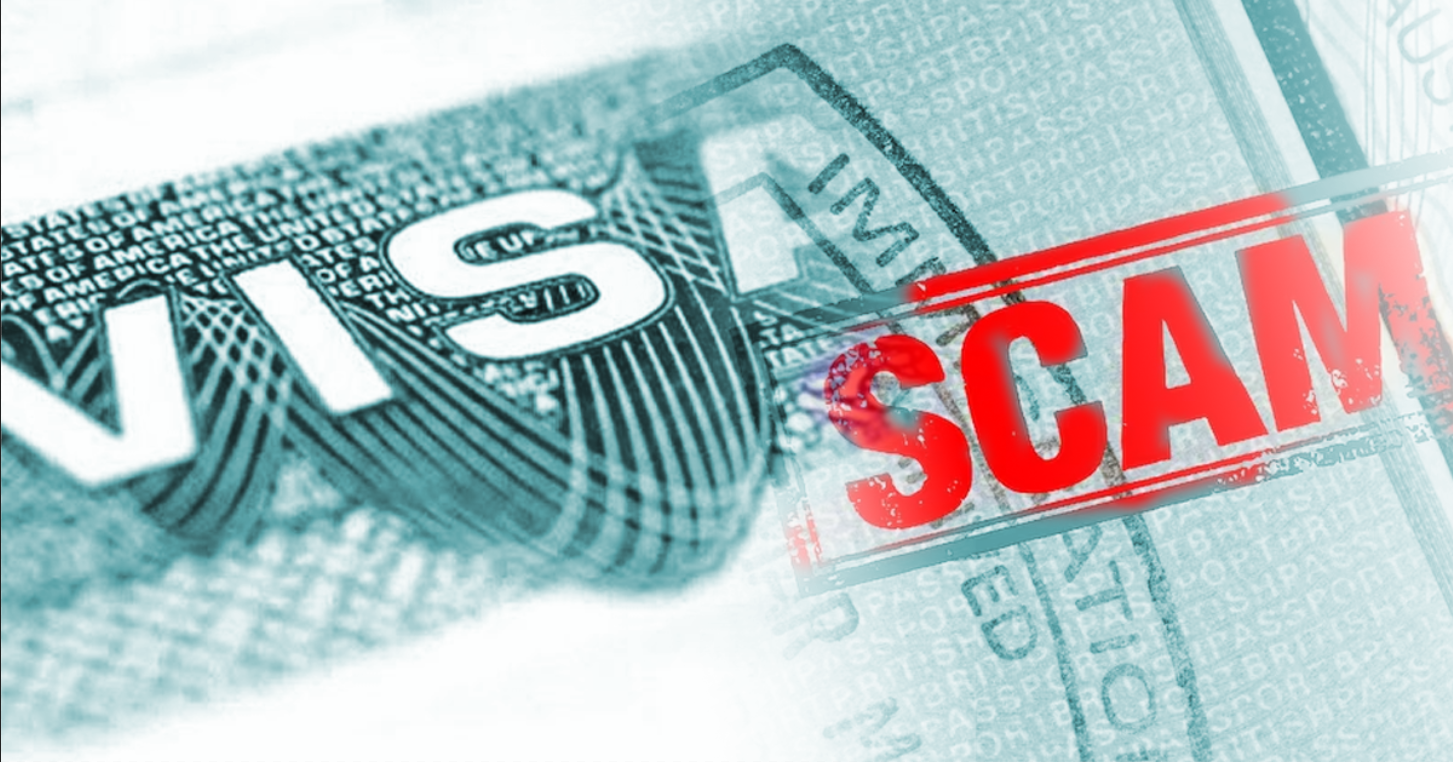
Online Travel Authorizations Under Threat from Scammers
As global travel continues to rebound, so does the popularity of Electronic Travel Authorizations (ETA) and electronic visas (e-Visas). However, this digital convenience has opened the door for cybercriminals. A growing number of fake visa websites are targeting unsuspecting travelers, leading to data breaches, financial loss, and invalid travel documents. Authorities across the world are now issuing alerts regarding online visa scams, urging travelers to verify authenticity before submitting their applications.
The Rise of e-Visas and ETA: A Double-Edged Sword
The introduction of e-Visas and ETA programs has revolutionized the way people travel. Countries such as the United States, Canada, the UK, Australia, and India have adopted these digital systems to simplify visa application processes. While this move enhances efficiency, it also exposes travelers to a new type of threat: visa fraud.
Why e-Visa and ETA Systems Are Attractive Targets
Easy access to personal and financial data
Travelers in a rush may not scrutinize website details
High volume of applicants means more potential victims
Many scammers create fake websites that appear nearly identical to official government portals. These websites may rank high in Google search results through paid ads, misleading users into believing they are legitimate platforms.
Fake Visa Websites: How the Scam Works
Identifying Fake ETA and e-Visa Portals
Fake visa websites typically mimic the look and feel of real government sites. Here's how they operate:
Domain Imitation: They use URLs that closely resemble official domains (e.g., ending in .com instead of .gov).
Sponsored Ads: Appear as top search results due to paid promotion.
Lack of Transparency: They often fail to disclose that they are not affiliated with any government body.
Overpriced Services: Charge exorbitant fees without offering real value.
Data Harvesting: Collect personal and banking information for fraudulent purposes.
Risks of Using Fake e-Visa Websites
Personal data theft (name, passport number, date of birth)
Credit card fraud and unauthorized transactions
Visa rejections due to incorrect or non-submitted applications
Missed travel deadlines and additional costs
Countries Frequently Targeted by Online Visa Scams
| Country | Official e-Visa/ETA Site | Common Scam Issues |
|---|---|---|
| United States | https://esta.cbp.dhs.gov | Fake ESTA sites charging inflated fees |
| Canada | https://www.canada.ca | Misleading domains impersonating Canadian govt |
| Australia | https://immi.homeaffairs.gov.au | Bogus ETA services with hidden costs |
| United Kingdom | https://www.gov.uk | New ETA rollout exploited by scam sites |
| India | https://indianvisaonline.gov.in | Fake portals mimicking India's e-Visa platform |
| Kenya | https://evisa.go.ke | Scam sites promoting fast-track visas |
| Sri Lanka | https://www.eta.gov.lk | Fake ETAs with no official disclaimer |
| Turkey | https://www.evisa.gov.tr | High-traffic scams targeting tourists |
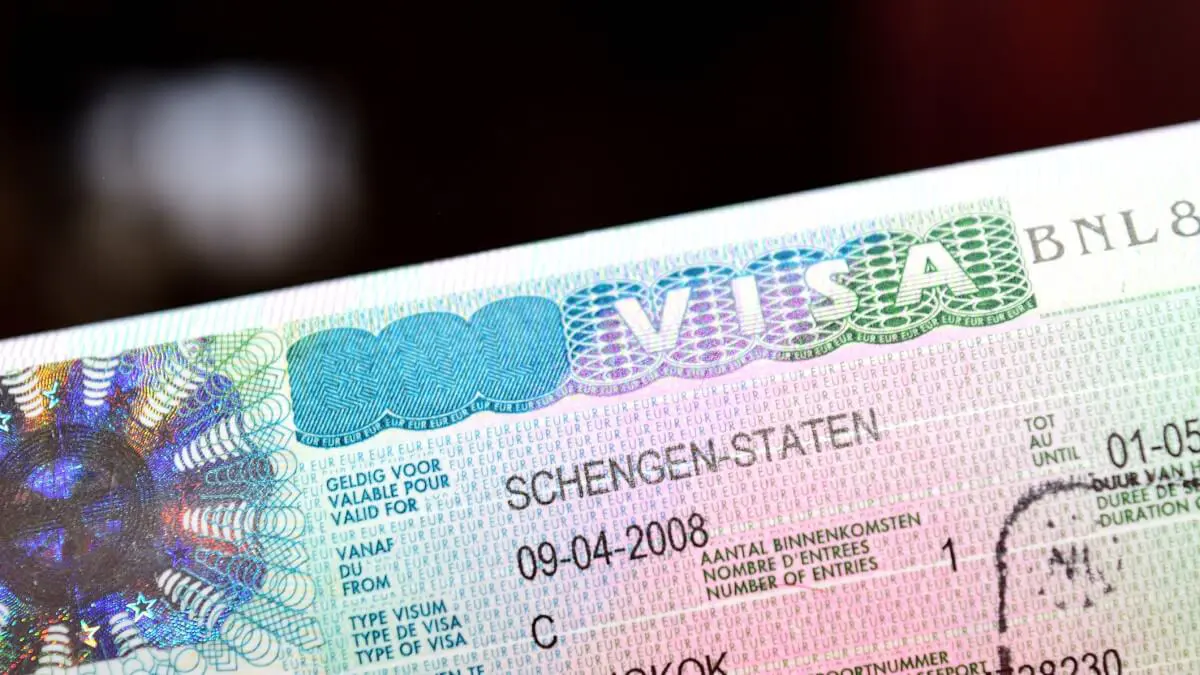 Visa Fraud: What Makes a Website Untrustworthy?
Red Flags of a Fake Visa Website
URL does not end in official domains like .gov, .gc.ca, .gov.au
No disclosure about being a third-party service
Absence of a privacy policy or vague legal disclaimers
Unrealistically high processing fees
Excessive use of government logos and seals to appear authentic
Poor grammar or design inconsistencies
Real vs. Fake: Key Differences
| Feature | Official Site | Fake Visa Site |
| Domain | Ends in .gov, .gc.ca, .gov.au | Ends in .com, .org, or similar |
| Pricing Transparency | Clearly outlined fees | Hidden or inflated fees |
| Privacy Policy | Present and detailed | Often missing or vague |
| Government Disclaimer | Clear statement of affiliation | No disclaimer or misleading wording |
| Support Channels | Official email/phone/chat options | No real support or unresponsive contact |
Legitimate Travel Assistance Agencies: Not All Third-Party Sites Are Scams
While many fake visa websites exist, there are also legitimate travel visa agencies that provide genuine, value-added services. These companies help applicants who may be unfamiliar with the visa process or who prefer personalized support.
How to Identify a Trustworthy Agency
The site clearly states it is not affiliated with the government
Offers 24/7 customer support
Reviews and rates applications before submission
Transparent about pricing and services offered
When Travel Visa Agencies Can Help
Complex travel itineraries
Group or family applications
Business travel support
Language or accessibility barriers
Online Visa Scam: Real-Life Traveler Stories
Case Study 1: Misleading Google Ad
A British traveler intending to visit the U.S. clicked on the first Google result for "ESTA application." The site looked official but was actually a paid ad leading to a third-party service charging over 200% more than the official fee. Despite paying, her application was never submitted.
Case Study 2: Data Breach After Fake ETA Submission
A Canadian tourist submitted passport and credit card details on what appeared to be an Australian government site. Days later, she discovered unauthorized charges on her bank account. The site had harvested her data for fraudulent use.
Tips to Stay Safe: Avoiding Online Visa Scams
Essential Safety Measures
Verify the URL of the visa application site.
Avoid clicking on ads; scroll down to organic search results.
Check for official government domains (.gov, .gouv, .gc.ca).
Read the privacy policy and terms of service.
Use only trusted, reviewed visa agencies if using third-party help.
Best Practices for Online Travel Applications
Bookmark official government websites
Consult with local embassies or consulates
Use VPNs and secure networks when submitting applications
Keep screenshots and records of all submitted documents and payments
Final Thoughts: Knowledge Is the Best Protection
As more countries adopt e-Visas and ETAs, it’s crucial for travelers to remain vigilant against fake visa websites. These scams are evolving and often look deceptively real. By recognizing red flags, verifying sources, and opting for legitimate travel visa agencies when needed, travelers can avoid becoming victims of online visa scams.
Stay informed, stay secure, and travel smart.
Related News
-

20-Aug-2026
Russia Launches New Talent Visa With Faster Route to Permanent Residency
-

27-Mar-2020
How to Protect ourselves from Coronavirus During Traveling
-

01-Feb-2026
How to Visit Jabal al-Noor & Cave Hira During Umrah | Dos and Don’ts Guide
-
14-Sep-2019
How you can Get Maximum Benefits from any Travel Insurance Policy in Pakistan
-

08-Jun-2024
Best places in Pakistan to visit in summers vacations with family
-
08-Sep-2025
Budget-Friendly Turkey Tour Packages with Direct Flights from Pakistan
-
15-Mar-2023
Tourism in Turkey to Gain Momentum Again in Summer of 2023
-
23-Sep-2024
Now Foreigners Get FREE Visas to Pakistan. New Policy Aims to Attract Tourism
-

05-Mar-2025
Service Charges from Munazzamat for Hajj 2025
-

18-May-2025
Ensure Better Chances of Canada Visa by Avoiding These Mistakes
-
05-May-2025
Australia Skilled Independent Visa 2025 (Subclass 189): Your Comprehensive Points-Tested Stream Guide to Australian Permanent Residency
-

10-Jul-2021
Find The Best Tourist Cities In Pakistan For The Summer Holidays
