
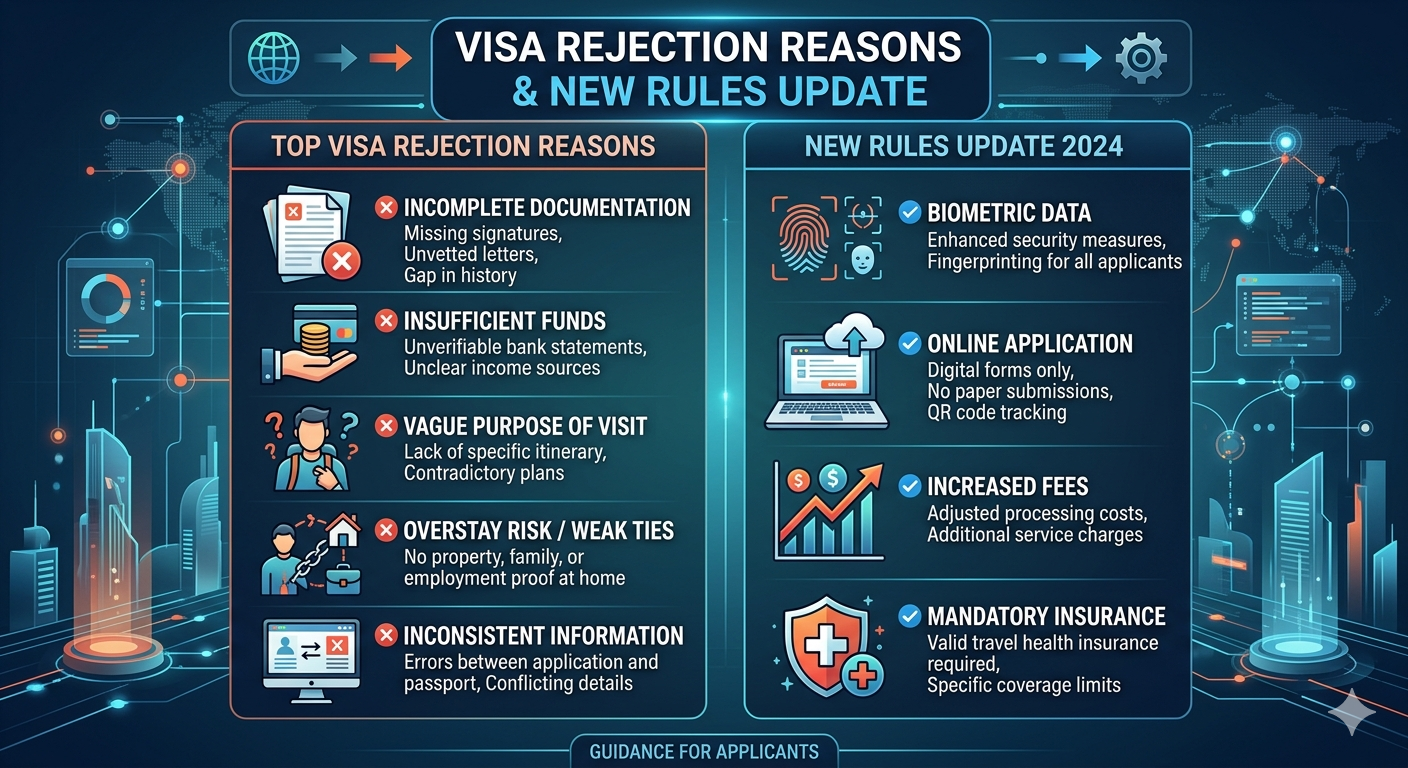
As we move through 2026, the landscape of European travel is undergoing its most significant transformation in decades. The Schengen visa processing time changes 2026 are driven by a massive digital overhaul aimed at enhancing security while modernizing the application experience. Whether you are a frequent business traveler or planning a once-in-a-lifetime vacation, understanding these Schengen visa processing time changes 2026 is essential for a stress-free journey
The core of the Schengen visa processing time changes 2026 revolves around the full implementation of the Entry/Exit System (EES) and the upcoming European Travel Information and Authorisation System (ETIAS). These systems have altered the standard "15-day" expectation that travelers relied on in previous years.
Current Processing Windows in 2026
While the official "standard" remains 15 days, the Schengen visa processing time changes 2026 have introduced more variability based on the season and the specific embassy’s digital readiness.
| Processing Category | Average Duration (2026) | Notes on Variability |
|---|---|---|
| Standard Processing | 15–20 Calendar Days | Most applications fall here during off-peak months. |
| Peak Season Delay | 30–45 Calendar Days | Observed during June–August and December–January. |
| Complex Cases | Up to 60 Days | When additional security interviews are required. |
| Urgent/Expedited | 48–72 Hours | Available only at specific consulates for an extra fee. |
Why Are These Changes Happening?
The primary driver for the Schengen visa processing time changes 2026 is the integration of biometric data into the new EES database. This system replaces traditional manual stamping with a digital record of facial scans and fingerprints. While this speeds up the actual border crossing, the initial visa application now requires a more thorough verification against the Schengen visa processing time changes 2026 security protocols.
Factors Influencing Processing Times
Many travelers ask why the Schengen visa processing time changes 2026 affect some countries more than others. The answer lies in the "Main Destination" rule and the administrative load of specific consulates.
1. The Impact of Digitalization
The shift toward a Visa Online system is a major component of the Schengen visa processing time changes 2026. By moving away from paper-heavy files, the EU aims to reduce human error, though the transition period has caused temporary bottlenecks in certain regions.
2. Biometric Verification Requirements
Under the Schengen visa processing time changes 2026, first-time applicants must visit a Visa Application Center (VAC) to provide biometric data. This step can add 1–2 weeks to your total timeline simply due to appointment availability.
3. Country-Specific Variations
Not all member states are equal when it comes to the Schengen visa processing time changes 2026.
Faster Processing: Countries like Iceland, Switzerland, and Lithuania often maintain shorter windows due to lower volume.
Slower Processing: Popular hubs like France, Italy, and Spain are seeing higher demand, making the Schengen visa processing time changes 2026 more apparent there.
Cost Adjustments and Fee Structures
Parallel to the Schengen visa processing time changes 2026, there have been updates to the costs associated with entering the Schengen zone. These fees help fund the new digital infrastructure.
Adults (12+): €90
Children (6-11): €45
Children under 6: Free
ETIAS (Late 2026): €20 (for visa-exempt nationals)
Pro Tip: If you are impacted by the Schengen visa processing time changes 2026, apply at least 8 weeks before your travel date. The earliest you can apply is six months in advance.
Step-by-Step: Managing the 2026 Application Process
To navigate the Schengen visa processing time changes 2026 successfully, you should follow a structured approach. The following list ensures you meet the new digital standards:
Identify the Primary Destination: Apply at the embassy where you will spend the most nights.
Verify Digital Eligibility: Check if your destination country allows for the new Visa Online submission.
Book the Appointment Early: Due to the Schengen visa processing time changes 2026, appointment slots fill up 3 months in advance in major cities.
Prepare the "Big Three" Documents:
Travel Insurance: Must cover at least €30,000.
Proof of Subsistence: Bank statements showing sufficient funds (typically €70–€100 per day).
Flight Itinerary: Round-trip reservations (not necessarily paid in full).
Common Challenges with the 2026 Updates
The Schengen visa processing time changes 2026 have introduced new hurdles for those who are unprepared. Understanding these can help you avoid a rejection.
Biometric Errors and the EES
With the Schengen visa processing time changes 2026, if your facial scan or fingerprints do not match previous records in the EES, your application will be flagged for manual review. This is a common cause for the processing time extending toward the 60-day mark.
Documentation Discrepancies
Because the systems are now interconnected, any inconsistency between your visa application and your ETIAS profile (if applicable) can trigger a delay. The Schengen visa processing time changes 2026 reward consistency and honesty.
Summary: Staying Ahead of the Curve
The Schengen visa processing time changes 2026 represent a "growing pain" for European tourism. While the goal is a seamless, paperless border by 2030, the current year requires patience. By acknowledging that the Schengen visa processing time changes 2026 are now a permanent part of travel planning, you can ensure your European summer or winter holiday goes off without a hitch.
In conclusion, the Schengen visa processing time changes 2026 are a direct result of the EU's commitment to security. Stay informed, apply early, and keep your digital documents organized to breeze through the updated system.
Are you planning to visit a specific Schengen country, or are you doing a multi-country tour this year?
Related News
-

21-Jul-2022
Kalash Uchal Festival Of Thanking The Gods For Good Harvest Season
-

16-Apr-2025
PIA adds Lahore-Baku direct flights to its schedule.
-
06-Aug-2025
The UAE's 5-Year Multiple Entry Visa
-
.webp)
12-May-2025
Belarus Work Visa Process May 2025: Every thing You Need to Know
-

08-May-2025
Azerbaijan Travel Round Up – 5 Key Travel Stories from Azerbaijan
-

07-Feb-2025
Hajj & Umrah for First-Timers: Stories & Experiences from Pilgrims
-

24-Jan-2025
Last Date for Entry into Saudi Arabia Announced for Umrah Pilgrims 2025
-

10-Jan-2023
Thailand Government Announces New International Passenger Rules Concerning 2023
-

13-May-2025
Canada Visitor Visa: Navigating Entry for Tourism, Business, and Family in 2025
-

20-Oct-2021
Best Things to do in Turkey 2021
-

16-Dec-2024
Hajj 2025 - Last Call for Pilgrims to Apply Under the Government Scheme
-
31-Aug-2025
Criminals Exploit Umrah Packages: Authorities Tighten Security for Pilgrims
