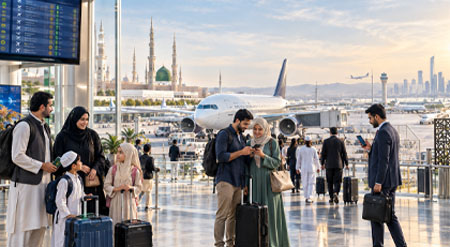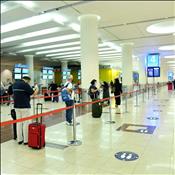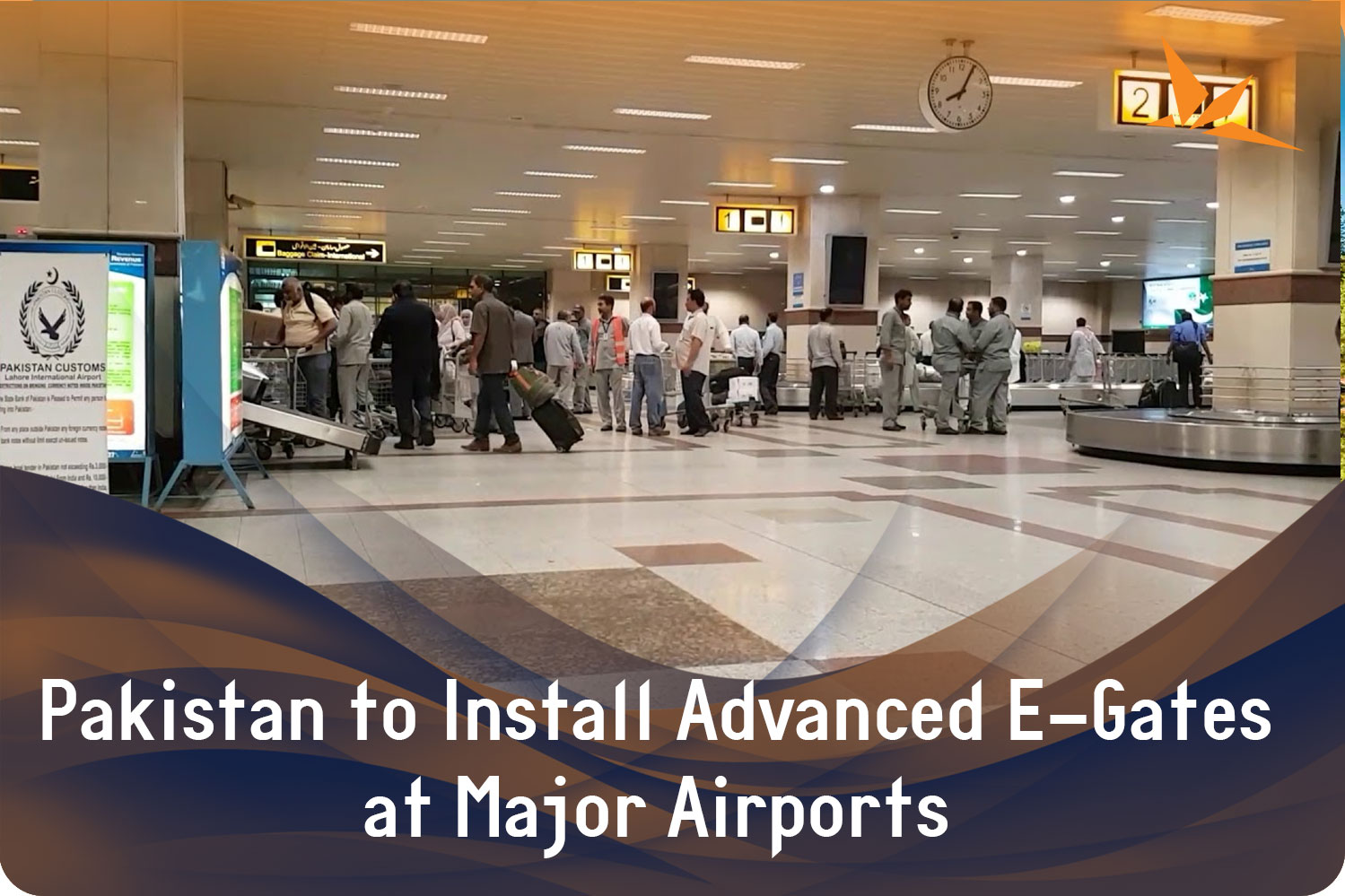
Traveling through Pakistan’s busiest airports is set to become quicker and more convenient as authorities prepare to introduce modern biometric e-gates at three major international airports. The initiative aims to improve passenger flow, reduce long immigration queues, and bring airports in Pakistan closer to global standards.
The new e-gates will be installed at Lahore Airport, Karachi’s Jinnah International Airport, and Islamabad International Airport. These airports handle the majority of international flights from Pakistan, making them ideal locations for the first phase of this upgrade.
What Are E-Gates?
E-gates are automated immigration checkpoints that use biometric verification, such as facial recognition linked with passport data. Instead of standing in long lines for manual passport stamping, eligible passengers can clear immigration in seconds by passing through these automated gates.
For frequent travelers, overseas Pakistanis, and tourists, this change is expected to significantly improve the overall airport experience, especially during peak travel seasons.
How This Will Improve Travel from Pakistan
- Reduced waiting time at immigration counters
- Better crowd management during peak hours
- Faster processing for international departures and arrivals
- Improved security through biometric verification
At Lahore Airport, which sees heavy passenger traffic year-round, e-gates are expected to ease congestion and help passengers reach their boarding gates on time.
Airports Selected for E-Gate Installation
| Airport | City | Type of Flights | Expected Benefit |
|---|---|---|---|
| Lahore Airport | Lahore | International | Faster immigration clearance |
| Jinnah International Airport | Karachi | International | Reduced passenger congestion |
| Islamabad International Airport | Islamabad | International | Smoother arrival and departure flow |
A Step Towards Modern Airports in Pakistan
The introduction of e-gates reflects a broader effort to modernize Pakistan’s aviation and immigration systems. Many international airports around the world already rely on automated border control, and this move helps ensure that Pakistan airports remain competitive and traveler-friendly.
As more passengers choose international flights from Pakistan for work, tourism, and family travel, such technology-driven upgrades are becoming increasingly important.