
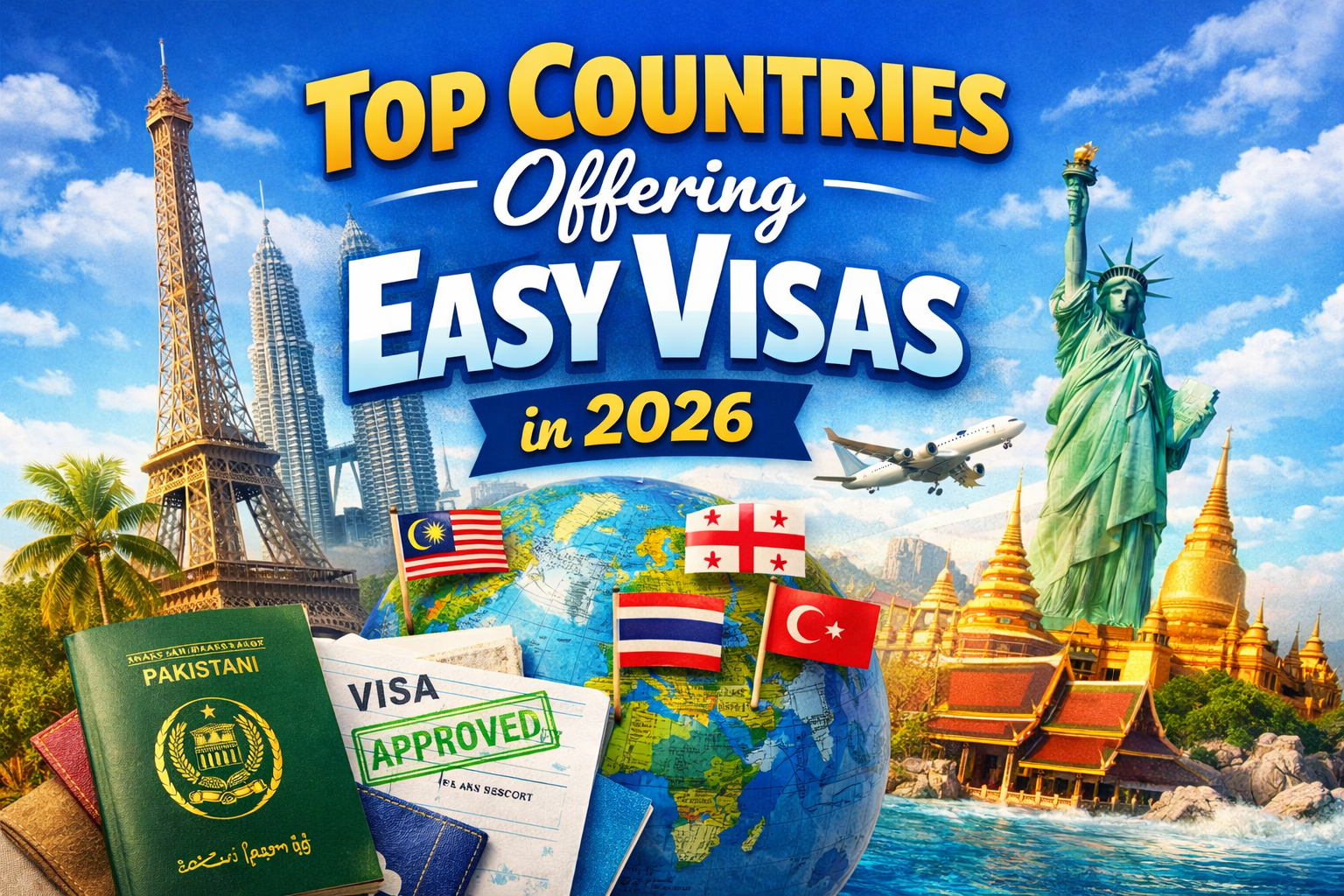
As of 2026, the global mobility landscape has undergone a profound shift. The era of "anything goes" visa accessibility has matured into a more refined, structured environment where digital connectivity, tax incentives, and clear residency pathways are the new gold standards. Whether you are a remote professional seeking a lifestyle upgrade, an entrepreneur looking for a strategic base, or a retiree in pursuit of a peaceful haven, the definition of an "easy" visa has become synonymous with clarity, predictability, and efficiency.
In this guide, we analyze the top destinations that have solidified their positions as the most accessible entry points for international arrivals in 2026.
1. The European Powerhouses: Stability and Integration
Europe remains the most sought-after region for expats, balancing high-quality infrastructure with secure legal residency.
Portugal: The Gold Standard
Portugal continues to lead the pack despite periodic adjustments to its policies. Its D8 (Digital Nomad) and D7 (Passive Income) visas remain the benchmarks for reliability.
The Appeal: Portugal offers a blend of safety, temperate climate, and one of the clearest paths to European Union residency and eventual citizenship (typically after 5 years).
The Reality: The financial threshold has risen to match the national cost of living—applicants should expect to prove a monthly income of approximately €3,480 for the D8 visa. However, the system is mature, well-documented, and legally robust.
Spain: The Career Professional's Choice
Spain’s "Telework Visa" is arguably the most sophisticated program for high-earning remote professionals.
The Appeal: Designed for those working for companies outside of Spain, it offers a 3-year residency permit that can be extended. It also pairs well with the "Beckham Law," which allows eligible foreigners to pay a flat tax rate on income, rather than standard progressive rates.
The Reality: Applicants generally need to demonstrate a bachelor's degree or significant professional experience, plus a monthly income of around €2,760.
Greece: The Fast-Track Mediterranean Option
Greece has excelled in streamlining its bureaucratic processes.
The Appeal: Known for its high quality of life and efficient digital nomad visa processing (often completed within 1–2 months), Greece is ideal for those who prioritize a Mediterranean lifestyle without the high administrative friction found in larger nations.
The Reality: It offers a 1-year visa that can be converted into a residence permit, making it a pragmatic choice for those wanting to test the waters of European life.
2. The Asian Advantage: Accessibility and Modernity
Asia’s approach to visas in 2026 is defined by its focus on attracting high-tech talent and digital creators through specialized, user-friendly programs.
Thailand: The DTV Revolution
The Destination Thailand Visa (DTV) is a game-changer.
The Appeal: It is arguably the most flexible visa currently available. It allows for a 5-year multi-entry stay, with each visit capped at 180 days. It covers remote work, participation in "cultural activities" (such as Muay Thai training or cooking classes), and digital content creation.
The Reality: It is ideal for the "perpetual traveler" who wants a stable base in Asia without the pressure of immediately pursuing permanent residency.
Malaysia: The Tech-Friendly Hub
Malaysia continues to be a favorite due to its balance of low cost of living and high English proficiency.
The Appeal: Programs targeted at IT professionals, software developers, and digital marketers make Malaysia a premier choice for those working in the digital economy.
The Reality: It is consistently ranked high for its infrastructure and internet connectivity, offering a smooth landing for those entering the Southeast Asian market.
3. The Americas: Proximity and Affordability
For those looking for minimal time zone differences with North America or a welcoming environment in South America, the following nations stand out.
Uruguay: The "No-Hassle" Winner
Often cited as the most stable country in South America, Uruguay is the hidden gem of 2026.
The Appeal: It offers a straightforward, low-friction residency process. For many, it serves as a destination where tax policies are favorable (specifically regarding foreign-sourced income).
The Reality: It is best for those seeking long-term stability and a path to citizenship, which can be faster here than in many European counterparts.
Mexico: The Flexible Temporary Resident
Mexico remains a staple for those who value cultural immersion and ease of entry.
The Appeal: The Temporary Resident Visa is straightforward for those who can show stable monthly income or significant savings. It allows for a stay of up to 4 years, after which one can apply for permanent residency.
The Reality: It is one of the most accessible options for those who do not yet have a "high-income" role but possess solid savings, as the threshold is lower than many European equivalents.
Choosing the Right Path for 2026
When deciding where to relocate, prioritize your long-term goals over temporary convenience:
For Citizenship Seekers: Portugal and Brazil offer well-trodden, legally stable paths to naturalization.
For Lifestyle & Exploration: Thailand’s DTV allows you to experience a new culture without the immediate tax obligations or bureaucratic weight of permanent residency.
For Career Longevity: Spain’s visa structure is designed to integrate professionals into the European ecosystem, making it excellent for long-term career planning.
For Cost-Efficiency: Consider Mexico or Uruguay, where the lower cost of living allows your income to go much further, provided you meet the initial financial requirements.
Final Thoughts
The "easiest" visa is not just about the ease of getting in; it’s about the ease of staying. As 2026 unfolds, the countries that provide clear documentation, predictable tax regimes, and a welcoming community for foreigners will continue to dominate the global mobility market. Before committing, always verify the most recent consular updates, as policies regarding minimum income thresholds can change in response to national inflation and local economic shifts.
By conducting thorough research and aligning your professional profile with the right program, you can navigate the global landscape with confidence, turning the world into your workplace.
Are you leaning towards a specific region, or would you like to compare the tax implications between two of these countries?
Related News
-
14-Nov-2025
Luxury Resorts Opening in Maldives & Dubai in 2025
-

02-Sep-2019
Umrah Guide for the First time Umrah Performers
-

07-Feb-2020
10 Countries That Offer Easy Visa to Pakistanis
-
12-Jul-2025
Pakistan Government Strives to Ease UAE Visa Hurdles for Pakistani Citizen
-

03-Mar-2020
Latest Updates on Umrah Travel Ban and When it Will be Lifted
-

16-Nov-2023
Historic Reduction in Hajj Costs Announced in Pakistan's New Policy for 2024
-

07-Aug-2025
Turkey Tourist Visa: What Changed in 2025 for Pakistani Applicants
-

31-Jan-2025
Traveling to Saudi Arabia for the First Time: What You Need to Know
-

11-Sep-2026
Qatar Suspended Visa on Arrival Facility Suspended for Pakistani Travelers
-

20-Nov-2025
Azerbaijan Visa Pakistan 2025 – Tourist & Urgent Apply
-
19-May-2021
Oman Visa Free Tour To More Than 100 Countries
-
.webp)
19-Jun-2025
How Many Pakistanis Perform Umrah Every Year
