
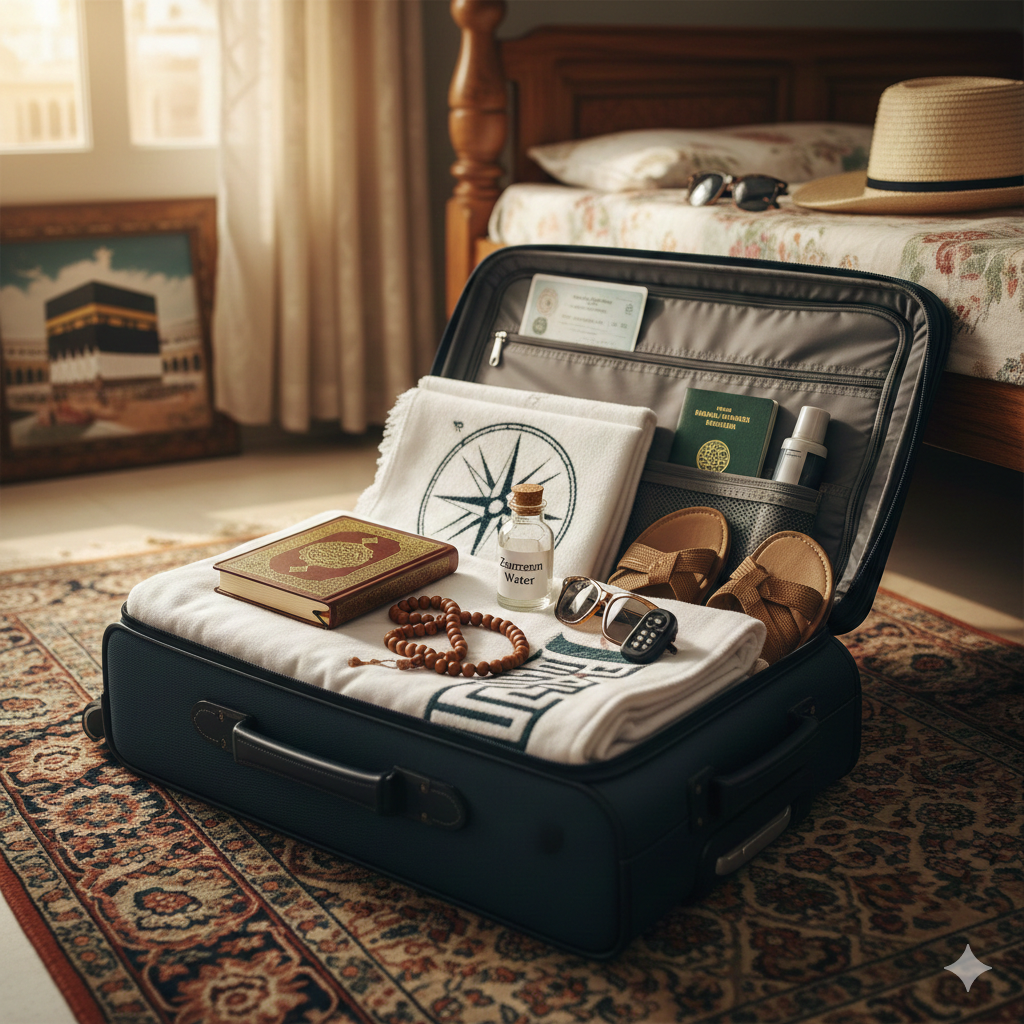
To understand the cultural and religious landscape of Pakistan, one must look at the immense significance of pilgrimage. Specifically, Umrah travel has become a cornerstone of Pakistani life, reflecting a deep spiritual yearning and a logistical evolution in how people fulfill their religious aspirations.1 Unlike the obligatory Hajj, which is bound by strict quotas and specific dates, Umrah offers a flexible, year-round opportunity for Muslims to visit the holy cities of Makkah and Madinah.
1. The Deep Spiritual Connection to Umrah Travel
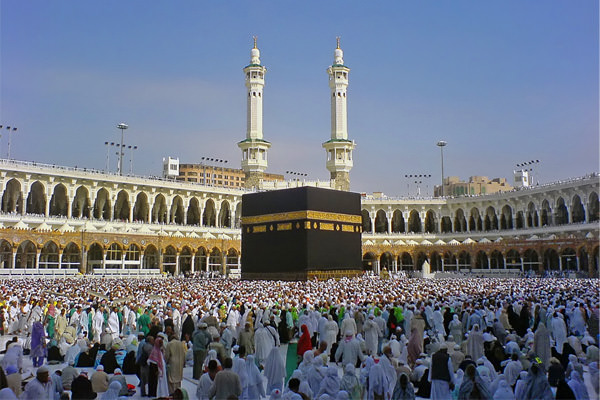
For the majority of Pakistanis, Umrah travel is not merely a vacation or a trip abroad; it is a profound "calling."2 The spiritual pull of the Kaaba and the Prophet’s Mosque (Masjid an-Nabawi) is a primary driver.
Year-Round Accessibility: Unlike Hajj, which occurs once a year, Umrah travel can be undertaken at any time, allowing pilgrims to choose moments of personal significance, such as during the month of Ramadan or during winter breaks.3
A Symbol of Devotion: Completing Umrah travel is often seen as a life-changing milestone.4 It is a way for believers to seek forgiveness, express gratitude, and strengthen their faith.5
Emotional Attachment: Pakistani culture is deeply rooted in Islamic traditions, making Umrah travel a collective dream for families, from young children to the elderly.6
2. Economic Factors and Affordability
The surge in Umrah travel is also heavily influenced by the availability of diverse packages that cater to different economic classes.7
| Feature | Budget Umrah Travel | Premium Umrah Travel |
|---|---|---|
| Accommodation | 3-star hotels (further from Haram) | 5-star hotels (facing the Kaaba) |
| Transport | Shared shuttle buses | Private luxury cars / GMCs |
| Duration | 15 to 21 days | 7 to 10 days |
| Cost Range | Affordable for middle-class families | High-end luxury pricing |
The competition among travel agencies to provide the most competitive Umrah travel rates has made the pilgrimage accessible to the middle and lower-middle classes.8 Savings for Umrah travel often begin years in advance, highlighting its priority in household budgeting.9
3. Simplified Visa Processes and Digitalization
One of the most significant reasons for the boom in Umrah travel is the modernization of the Saudi visa system. In the past, securing a visa for Umrah travel was a bureaucratic hurdle. Today, things have changed:
Electronic Visas (E-Visas): The introduction of e-visas has streamlined Umrah travel significantly, reducing wait times from weeks to just a few days or even hours.
The Nusuk App: This digital platform allows those planning Umrah travel to book permits for Rawdah Rasool and manage their itinerary with ease.10
Tourist Visas for Umrah: Saudi Arabia now allows holders of various tourist visas to perform Umrah, providing more flexibility for those engaging in Umrah travel while visiting family or conducting business.11
4. The Role of the Travel Agency Industry
The infrastructure surrounding Umrah travel in Pakistan is massive. Thousands of registered travel agents specialize exclusively in Umrah travel logistics. These agencies offer "all-inclusive" deals that cover:
Return airfare.
Visa processing.
Hotel stays in Makkah and Madinah.12
Ziyarat (tours of historical Islamic sites).
Because Umrah travel is a high-volume business, agencies often book entire floors in hotels, allowing them to offer lower prices to Pakistani pilgrims. The sheer marketing of Umrah travel through social media and local advertisements keeps the desire to travel at the forefront of the public's mind.
5. Cultural Significance and Social Traditions
In Pakistan, Umrah travel is a social event as much as a religious one.
Farewell Gatherings: When a family decides on Umrah travel, relatives and neighbors gather to see them off, often showering them with rose petals and prayers.
The Return Celebration: Upon returning from Umrah travel, pilgrims are greeted with immense respect. It is customary for them to bring back Zamzam water and dates for guests.13
Family Bonding: Umrah travel is frequently a multi-generational affair. It is common to see grandparents, parents, and children performing the rituals together, making Umrah travel a vital experience for passing down religious values.
6. Proximity and Flight Connectivity
Geographically, Pakistan is well-positioned for Umrah travel. With a flight time of approximately 4 to 5 hours from major cities like Karachi, Lahore, and Islamabad, Umrah travel is relatively convenient compared to traveling from Western countries.
Direct Flights: Airlines like PIA, Airblue, SereneAir, and Saudi Arabian Airlines operate daily direct flights, making Umrah travel seamless.
Multiple Entry Points: Pilgrims can start their Umrah travel journey in either Jeddah or Madinah, providing flexibility in how they structure their spiritual itinerary.
7. Performance of Umrah in Ramadan
While Umrah travel is popular year-round, it reaches its peak during the holy month of Ramadan.14 In Pakistani culture, performing Umrah travel during Ramadan is believed to carry a spiritual reward equivalent to Hajj.15
"The atmosphere in Makkah during the last ten nights of Ramadan is unlike anything else. This is why Umrah travel during this period is the most sought-after, despite the higher costs and massive crowds."
Key Challenges during Peak Umrah Travel:
Crowd Management: High volumes of people engaging in Umrah travel simultaneously.
Price Hikes: Hotels and flights for Umrah travel become significantly more expensive.16
Physical Endurance: The heat and the crowd require significant stamina from those on Umrah travel.
8. Summary of Why Umrah Travel Dominates the Market
The dominance of Umrah travel in the Pakistani travel sector is a result of a "perfect storm" of factors: deep-seated religious fervor, improved bilateral relations between Pakistan and Saudi Arabia, and a highly organized travel industry.
As the Saudi Vision 2030 continues to expand the capacity of the Two Holy Mosques, Umrah travel is expected to grow even further. More Pakistanis will find it easier to book Umrah travel, more hotels will be built to accommodate Umrah travel, and the digital tools for Umrah travel will become even more user-friendly.
Umrah travel is not just a trend; it is a permanent and growing part of the Pakistani lifestyle. Whether it is a first-time pilgrim or someone who undertakes Umrah travel every year, the passion for this journey remains unmatched.
Related News
-

07-Jan-2020
Top 5 Religious Tourist Places in Pakistan
-
15-Dec-2022
UAE Changes Visit Visa Extension Policy
-
21-Sep-2020
Top 5 Amazing Places in Northern Areas of Pakistan That You Must Visit This Year?
-
24-Nov-2025
30 Days Dubai Visa Price from Pakistan tourist Guide 2025-2026
-
17-Dec-2024
Hajj 2025: Final Deadline for Applications Today
-

19-Jan-2025
PIA Investigates After Flight Lands on Incorrect Runway
-
07-Feb-2024
Best Places to Visit to Enjoy Snowfall in Pakistan
-
03-Sep-2025
How Performing Umrah Changed My Relationship with Beauty
-
14-Sep-2021
Airblue Offers Domestic Airfares Cheaper Than Train
-
.webp)
02-May-2025
UK Welcomes More International Students: A Positive Sign for Travelers and the Economy
-

22-Nov-2021
Student Visa to Australia from Pakistan
-
24-Jun-2021
A Thailand trip is a wonderful idea
