
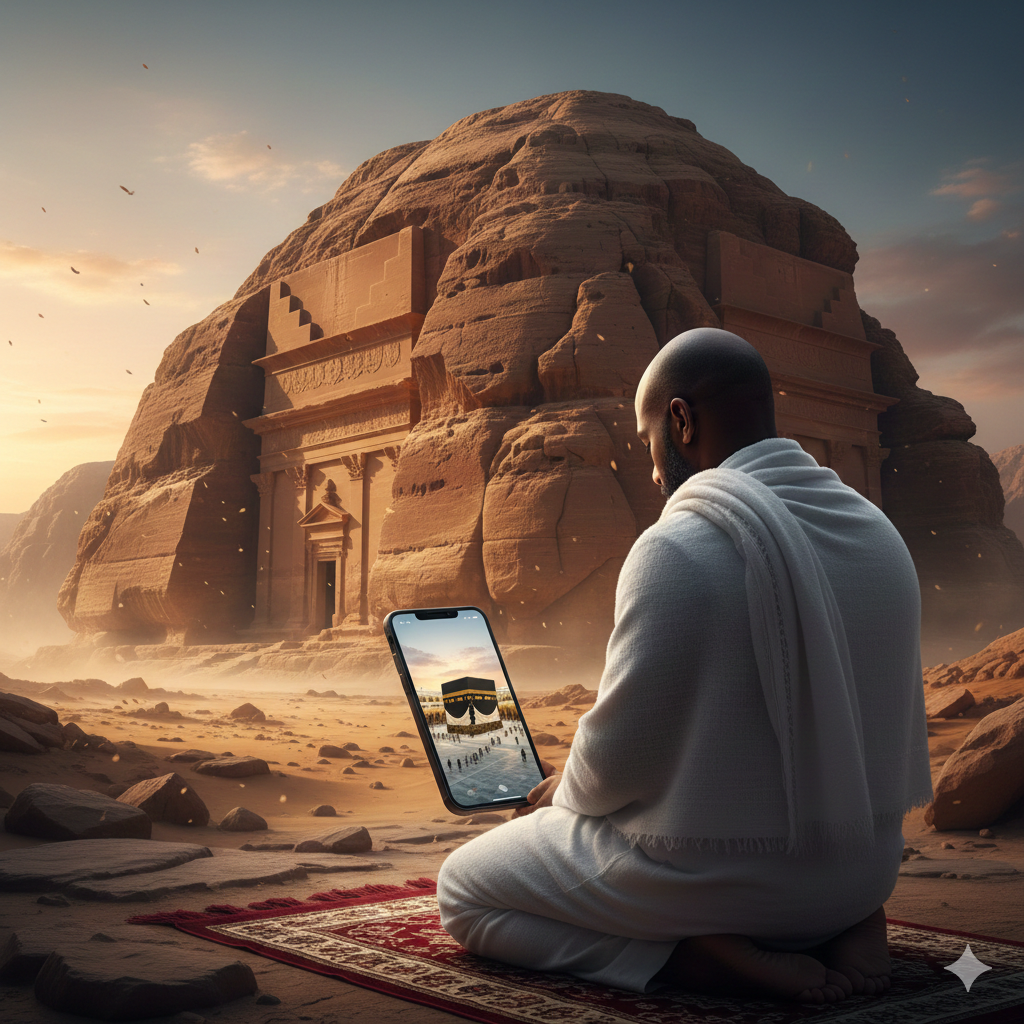
Embarking on an Umrah trip is a soul-stirring journey that millions of Muslims undertake every year. While the spiritual focus remains on the Masjid al-Haram and the Prophet’s Mosque, the Kingdom of Saudi Arabia has opened its doors wide to reveal a treasure trove of historical, natural, and modern wonders. Combining your Umrah trip with a broader exploration of Saudi Arabia allows you to connect with Islamic history and witness the breathtaking transformation of this ancient land.
In this guide, we will explore the most iconic destinations to visit during your Umrah trip, ensuring your journey is as culturally enriching as it is spiritually fulfilling.
1. The Spiritual Heart: Makkah and Its Surroundings
The primary objective of any Umrah trip is to visit Makkah. However, the city and its outskirts offer numerous "Ziyarat" (visitations) that provide context to the life of the Prophet Muhammad (PBUH).
Jabal al-Nour (The Mountain of Light): Home to the Cave of Hira, where the first revelation of the Quran was received. A hike here during your Umrah trip offers a profound sense of reflection.
Jabal Thawr: The cave where the Prophet (PBUH) and Abu Bakr (RA) sought refuge during the Hijra.
Mount Arafat (Jabal al-Rahmah): A central site for Hajj, but many on an Umrah trip visit to stand where the Farewell Sermon was delivered.
The Kiswa Factory: Witness the intricate craftsmanship of the black cloth that covers the Kaaba.
2. Madinah: The Illuminated City
No Umrah trip is complete without spending time in Madinah. The atmosphere here is one of unparalleled peace. Beyond the Masjid an-Nabawi, make sure to include these sites:
Must-Visit Historical Sites in Madinah
| Site Name | Significance |
|---|---|
| Masjid Quba | The first mosque built in Islam; praying two Rakat here is equivalent to one Umrah. |
| Masjid al-Qiblatayn | Where the Qibla (direction of prayer) was changed from Jerusalem to Makkah. |
| Mount Uhud | The site of the historic Battle of Uhud and the final resting place of many Sahaba. |
| Jannat al-Baqi | The main cemetery of Madinah where many members of the Prophet's family are buried. |
3. Jeddah: The Gateway to the Red Sea
Most pilgrims begin or end their Umrah trip in Jeddah. Known as the "Bride of the Red Sea," it is a vibrant blend of the old and the new.
Al-Balad (Old Town): A UNESCO World Heritage site featuring 7th-century coral stone houses. Walking through its narrow alleys during your Umrah trip feels like stepping back in time.
The Floating Mosque (Al-Rahma Mosque): Built on pillars over the sea, it is a stunning sight at high tide.
King Fahd’s Fountain: The tallest fountain in the world, shooting water over 300 meters into the air.
Red Sea Adventures: If your Umrah trip schedule allows, enjoy snorkeling or a boat trip to see some of the world’s most pristine coral reefs.
4. AlUla: A Journey Through Time
For those looking to extend their Umrah trip into a true adventure, AlUla is a non-negotiable destination. Located in the northwest, it houses Hegra (Mada’in Salih), Saudi Arabia’s first UNESCO World Heritage site.
Hegra features over 110 remarkably preserved tombs carved into sandstone outcrops by the Nabataeans. The scale and artistry rival that of Petra in Jordan. Visiting AlUla during an Umrah trip offers a unique perspective on the civilizations that predated Islam in the Arabian Peninsula.
5. Riyadh: The Modern Metropolis
As the capital of Saudi Arabia, Riyadh offers a glimpse into the Kingdom's future. It is a must-see for those who want to see how tradition meets 21st-century luxury during their Umrah trip.
Diriyah (At-Turaif): The ancestral home of the Saudi Royal family and a stunning example of Najdi architecture.
The Kingdom Centre: Visit the Sky Bridge for a panoramic view of the city.
The Edge of the World (Jabal Tuwaiq): A spectacular geological wonder about 90 minutes from Riyadh. Standing on these cliffs, you look out over an ancient seabed that seems to go on forever.
6. Taif: The City of Roses
Just a short drive from Makkah, Taif is the perfect summer retreat. Because of its high altitude, it remains cool while the rest of the country swelters.
Al Hada Mountain: Take a cable car ride for breathtaking views of the zigzagging roads below.
Rose Factories: Taif is world-famous for its roses. You can visit distilleries to see how rose water and expensive oils are produced.
Shubra Palace: A beautiful heritage building that served as a royal residence.
7. Abha and the Aseer Region
If you love nature and mountains, adding Abha to your Umrah trip itinerary is a fantastic choice. This region is home to the "Flower Men" and some of the highest peaks in Saudi Arabia.
Habala Village: An ancient "hanging village" accessible only by cable car.
Rijal Almaa: A heritage village known for its colorful, multi-story stone buildings.
Jabal Sawda: The highest point in Saudi Arabia, often covered in mist and clouds.
Planning Your Extended Umrah Trip
To make the most of your time in Saudi Arabia, consider the following logistical tips for your Umrah trip:
Visa Options: Most pilgrims can now use the Saudi Tourist E-Visa, which allows you to perform Umrah and travel anywhere in the country for up to 90 days.
Transportation: The Haramain High-Speed Railway connects Makkah, Madinah, and Jeddah in record time. For other cities, internal flights or car rentals are recommended.
Best Time to Visit: The winter months (November to March) are ideal for exploring the desert and cities like Riyadh and AlUla during your Umrah trip.
Summary Table of Top Destinations
| Destination | Vibe | Distance from Makkah | Top Highlight |
|---|---|---|---|
| Jeddah | Coastal/Historic | 1 Hour | Al-Balad Old Town |
| Taif | Mountain/Cool | 1.5 Hours | Rose Gardens & Cable Car |
| AlUla | Ancient/Archaeological | 7 Hours (Drive) | Hegra Tombs |
| Riyadh | Modern/Cultural | 1.5 Hours (Flight) | Edge of the World |
| Abha | Nature/Highland | 1.5 Hours (Flight) | Rijal Almaa Heritage Village |
Expanding your Umrah trip to include these diverse locations allows you to witness the full spectrum of Saudi Arabia. From the spiritual serenity of the two holy mosques to the ancient mysteries of AlUla and the cool breezes of Taif, the Kingdom offers a journey that nourishes both the spirit and the mind.
Related News
-
19-Feb-2025
Umrah 2025: Latest Package Deals and Travel Guidelines Revealed
-
27-Apr-2026
Current Status of U.S. Visa Services By Country – April 2026
-
14-Oct-2019
How Much ZamZam is Allowed
-
15-Sep-2024
Most Common Problem Faced During Umrah and How to Overcome These Challenges
-
21-Apr-2025
Why a Honeymoon in Maldives is the Ultimate Choice for Newlyweds
-
02-Jul-2026
Can You Perform Umrah on a Saudi Tourist Visa? Complete Guide
-
11-Jun-2020
How To Get Turkey Couple Visa Easily in 2020
-
26-Apr-2026
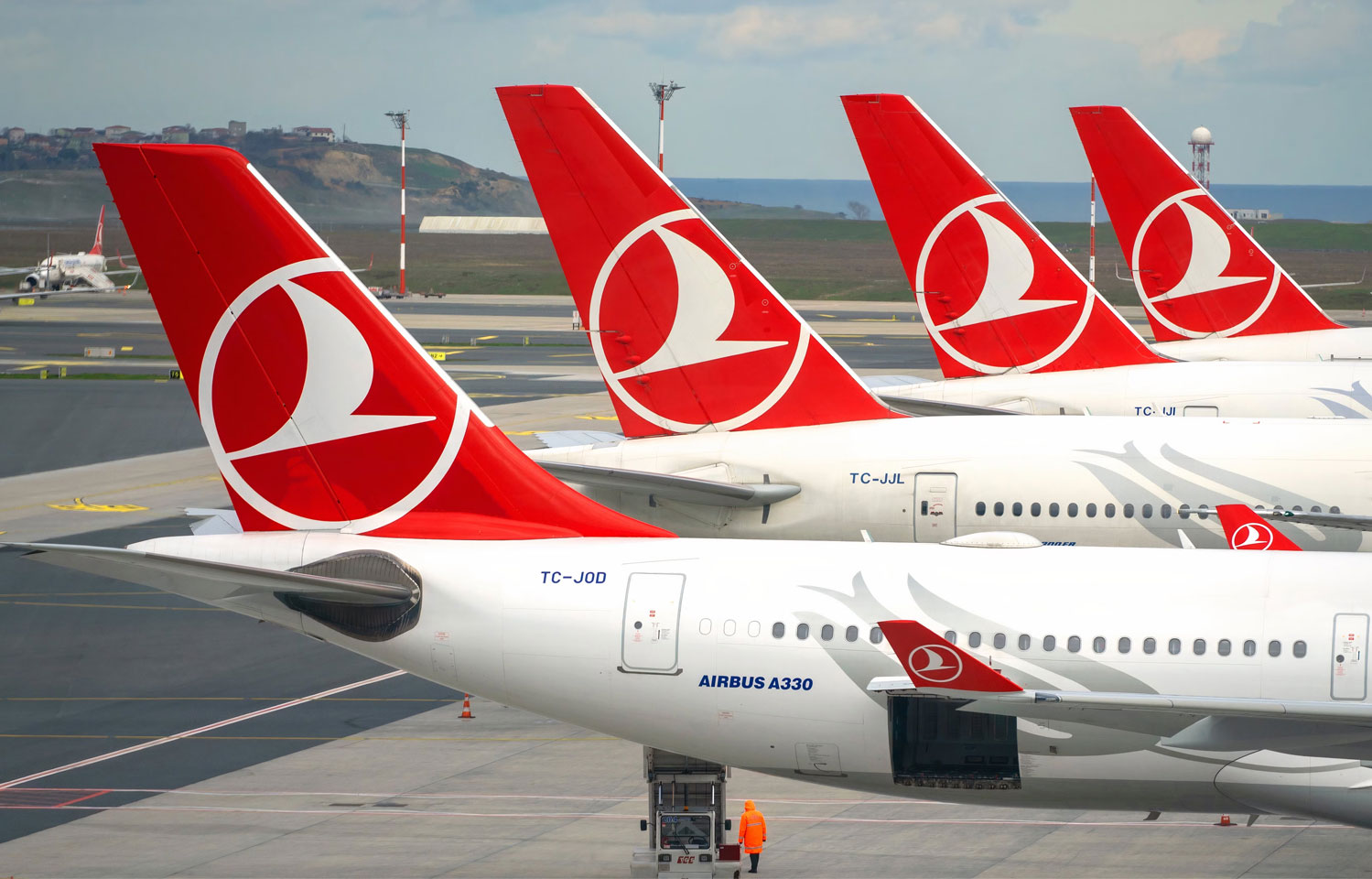
Will Ticket Prices Increase? Turkish Airlines Cuts 100+ Weekly Flights in 2026
-
14-Sep-2026
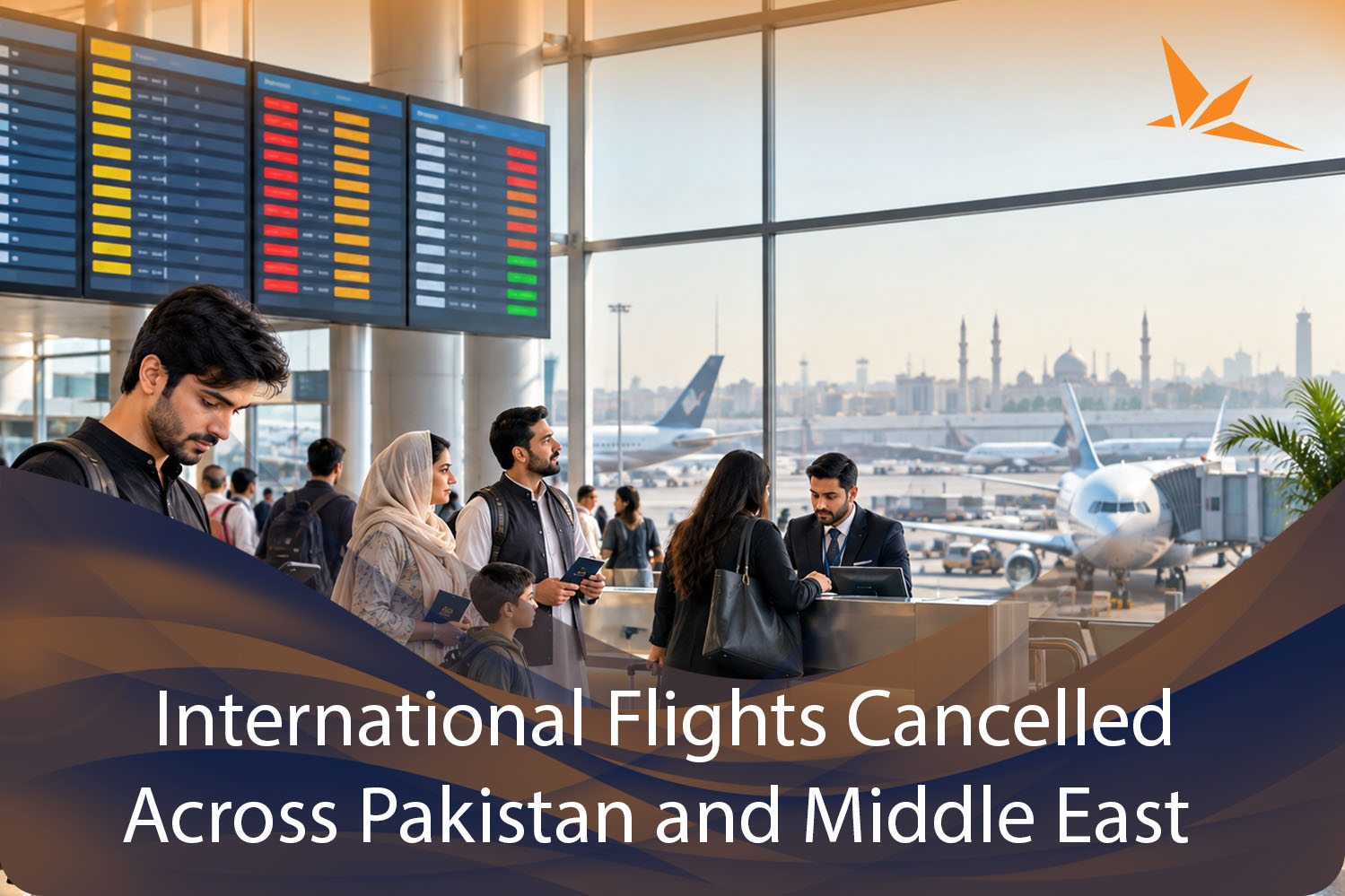
International Flights Cancelled Across Pakistan and Middle East
-
28-Jul-2025
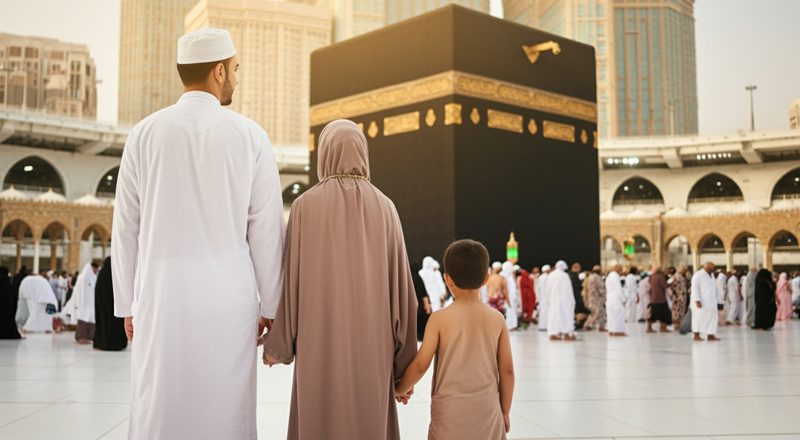
Family Umrah Packages with Kids Stay Free – Limited Time Offer!
-

20-May-2025
Thailand's New Era of Air Passenger Rights: Enhanced Protection Against Flight Delays and Cancellations Takes Effect
-

15-Aug-2025
Visa-Free Entry to America in 2025: A Comprehensive Guide to the Visa Waiver Program (VWP)
