
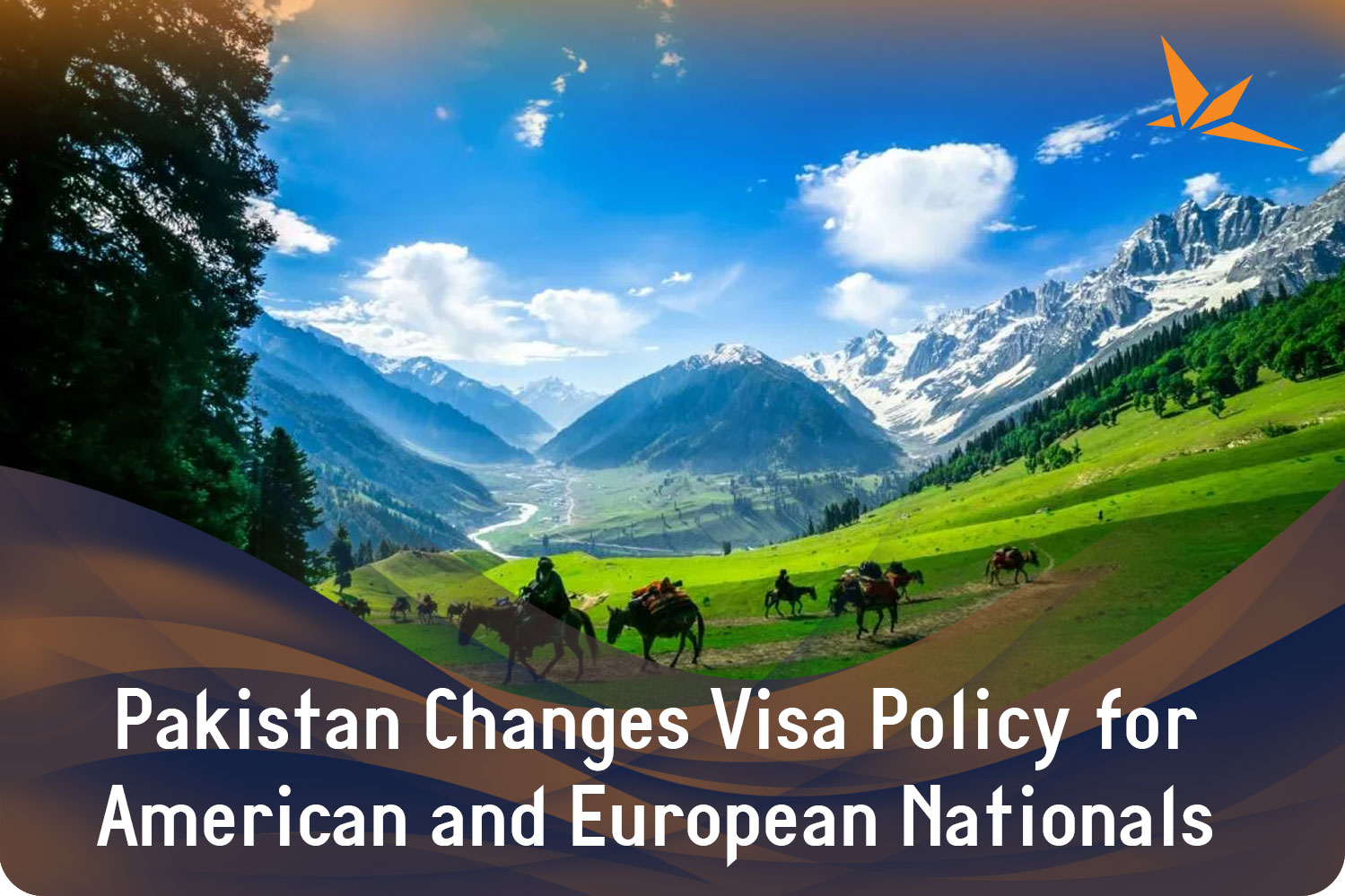
Pakistan has recently overhauled its Pakistan visa regime in a move that could significantly reshape travel for citizens of the United States, European Union and other Western countries. What began as a landmark tourism-boosting initiative has now evolved into a wide-ranging shift that affects how American and European travellers apply for and receive visas to enter Pakistan in 2026.
This new policy comes amid broader global visa and travel changes, including tensions over U.S. immigration processing for Pakistani nationals, prompting Islamabad to respond with its own reforms to balance openness with administrative control.
Why Pakistan Is Changing Its Visa Rules
End of Free Visa Prior to Arrival (VPA) for Many Foreign Nationals
Earlier versions of Pakistan’s visa policy introduced a Visa Prior to Arrival (VPA) programme that allowed citizens of up to 126 countries — including the United States and most European states — to obtain short-stay visas quickly and without fees through an online system. However, as of January 1, 2026, this free VPA option has been suspended, and those nationalities must apply for standard paid e-Visas instead.
The change affects tourism, business trips and family visits for Western nationals who had previously enjoyed a simplified entry procedure.
Standard Paid e-Visas Now Required for U.S. and EU Citizens
Under the updated policy:
- American passport holders must submit visa applications through Pakistan’s Online Visa System (POVS) and pay the applicable fees.
- European nationals, including Schengen and UK passport holders, are also no longer eligible for the free VPA category and must secure paid e-Visas for short stays.
- Processing times have increased compared with VPA’s almost immediate turnaround, and applicants must prepare more extensive documentation.
This shift marks a departure from Pakistan’s earlier tourism-friendly reforms and reflects a broader recalibration of travel facilitation strategies in 2026.
What This Means for Travellers from the U.S. and Europe
Here’s a clear breakdown of the new visa requirements for American and European nationals visiting Pakistan:
| Visa Change | What It Means | Impact on Travelers |
|---|---|---|
| VPA Suspended | Free Visa Prior to Arrival no longer available | Must use paid e-Visa process |
| Paid e-Visa Required | All U.S. & EU visitors must apply online, pay fees | Higher costs, longer processing |
| More Documentation Needed | Standard visa categories (tourist, business, family) | More planning required before travel |
U.S. Immigration Restrictions Affect Pakistanis
At the same time Pakistan is adjusting its visa policies for Western visitors, the United States has temporarily paused immigrant visa processing for Pakistani citizens as part of a broader review impacting 75 countries. The suspension — effective January 21, 2026 — does not apply to tourist, student, or business visas but has created concern among families and long-term migrants.
Pakistan’s ambassador to Washington has emphasized diplomatic efforts to resolve the pause and resume regular processing, suggesting the move is temporary and not a permanent travel ban.
How the New Visa Process Works for U.S. and European Nationals
Steps for Applying for a Pakistan e-Visa (2026)
- Visit Pakistan Online Visa System (POVS).
- Select visa category: tourist, business, family visit, or other relevant type.
- Submit supporting documents: passport copy, photo, travel plan.
- Pay the visa fee online.
- Receive visa grant notice electronically.
- Use the visa for entry upon arrival at a Pakistan port of entry.
Estimated Processing Times & Fees
| Nationality | Typical e-Visa Fee Range | Estimated Processing Time |
|---|---|---|
| U.S. Citizens | Standard fees (~$60) | 3–7 business days |
| EU Citizens | Standard fees (~$35+) | 3–7 business days |
| Other Nationals | Varies by nationality | 3–10 business days |
Note: Exact fees and timelines are subject to change and depend on the specific visa category chosen.
Related News
-
11-Feb-2025
Exclusive Umrah Deals for Shab-e-Barat 2025 – Book Your Trip Today
-

28-Aug-2025
Saudi Arabia Enforces Stricter Umrah Regulations for Pakistani Pilgrims
-
10-Sep-2026
Pakistan Plans Passport and Travel Document Verification for Overseas
-

30-Sep-2022
Top 10 Guaranteed Highly Paid Salary Countries Worldwide
-

10-Dec-2025
Urgent Announcement: Immediate Action Required for Government Hajj Pilgrims 2026
-
05-Jan-2026
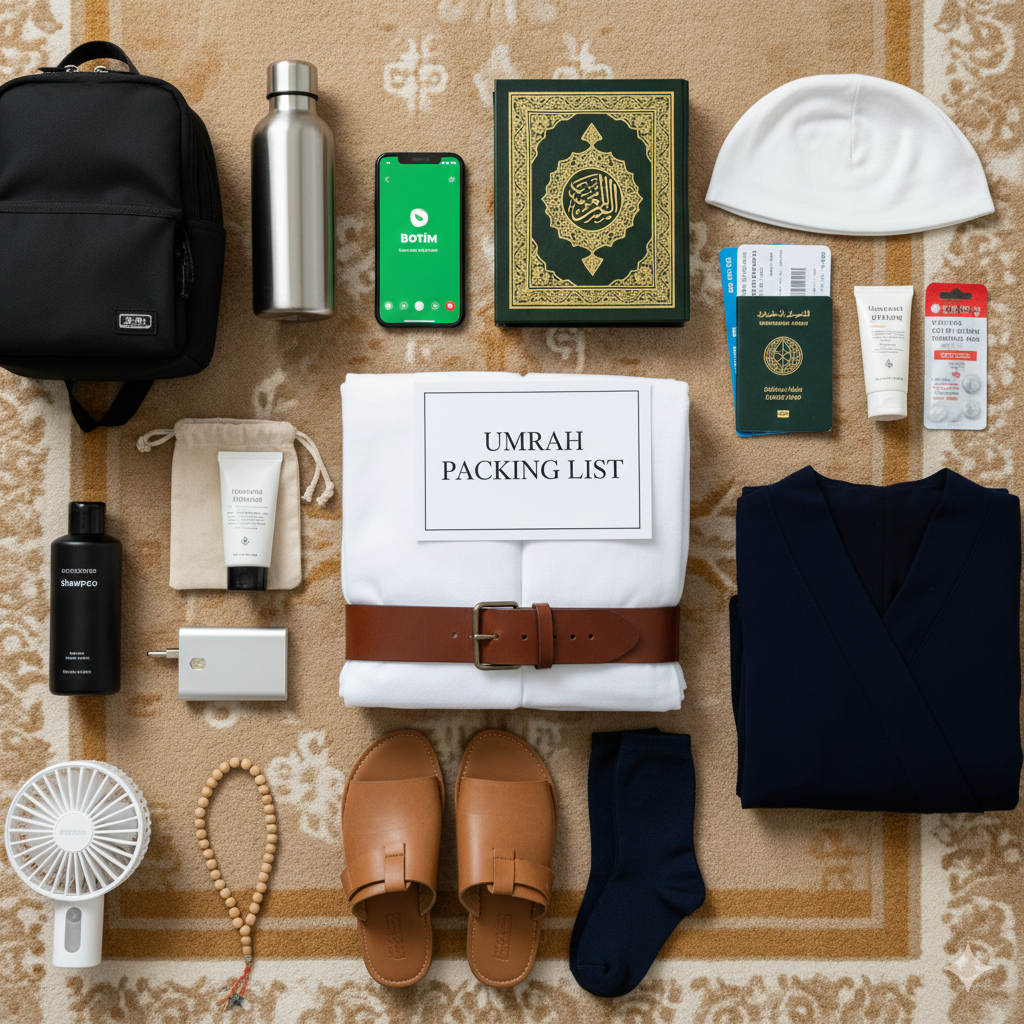
Big shockers in Saudi arabai you should know before departing for umrah (no calls on whatsapp, good traffic)
-
30-Oct-2025
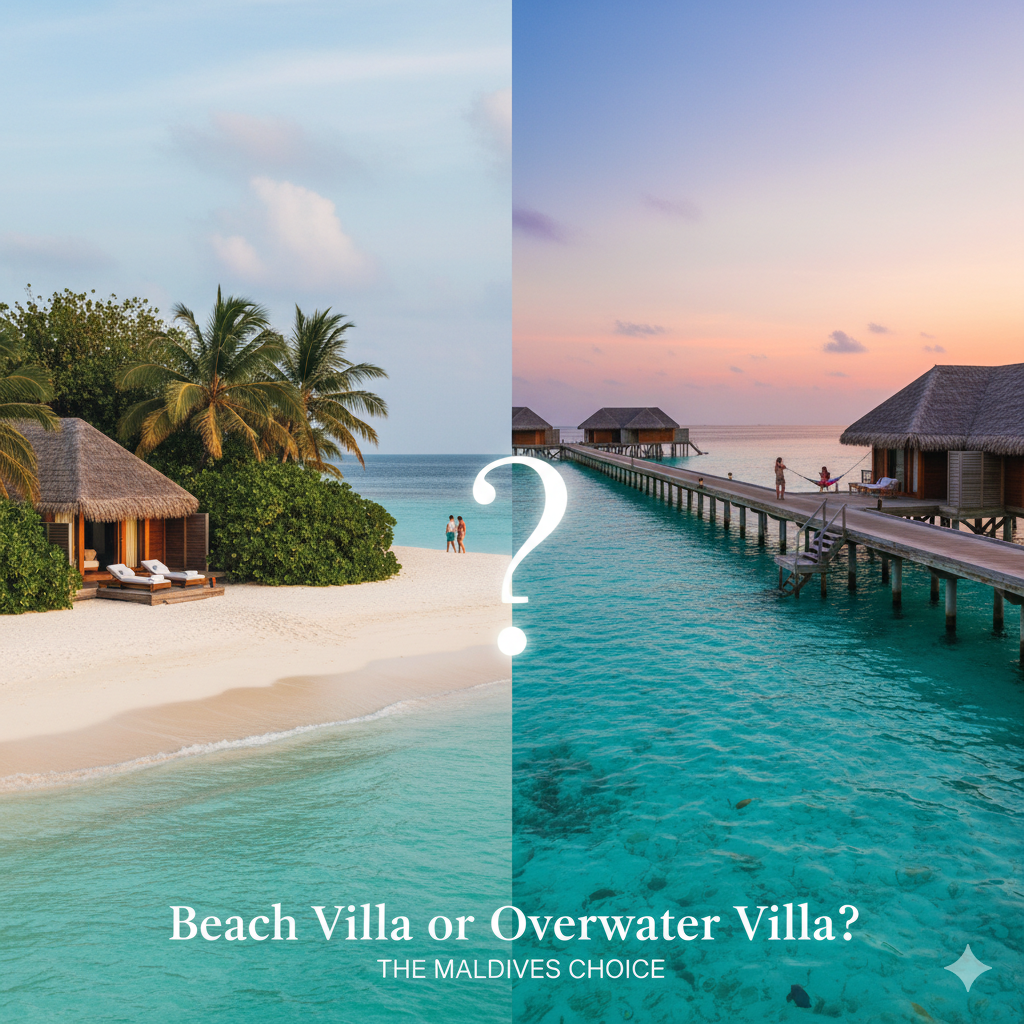
How to Choose Between a Beach Villa & Overwater Villa in the Maldives
-

07-Aug-2026
How AI Is Improving the Umrah Experience for Pilgrims
-
03-Mar-2026
The Scale of the Crisis: 59,000 Indonesian Umrah Pilgrims Affected
-

01-Sep-2025
A Complete Guide to the Gates of Masjid Nabawi with Nearby Hotels
-

08-Jan-2025
Will Saudi Airline Fly A Deal's Arrival In Pakistan Make Tickets Cheaper?
-
04-Aug-2025
Top Countries Offering Easy Tourist Visas to Pakistanis in 2025
