
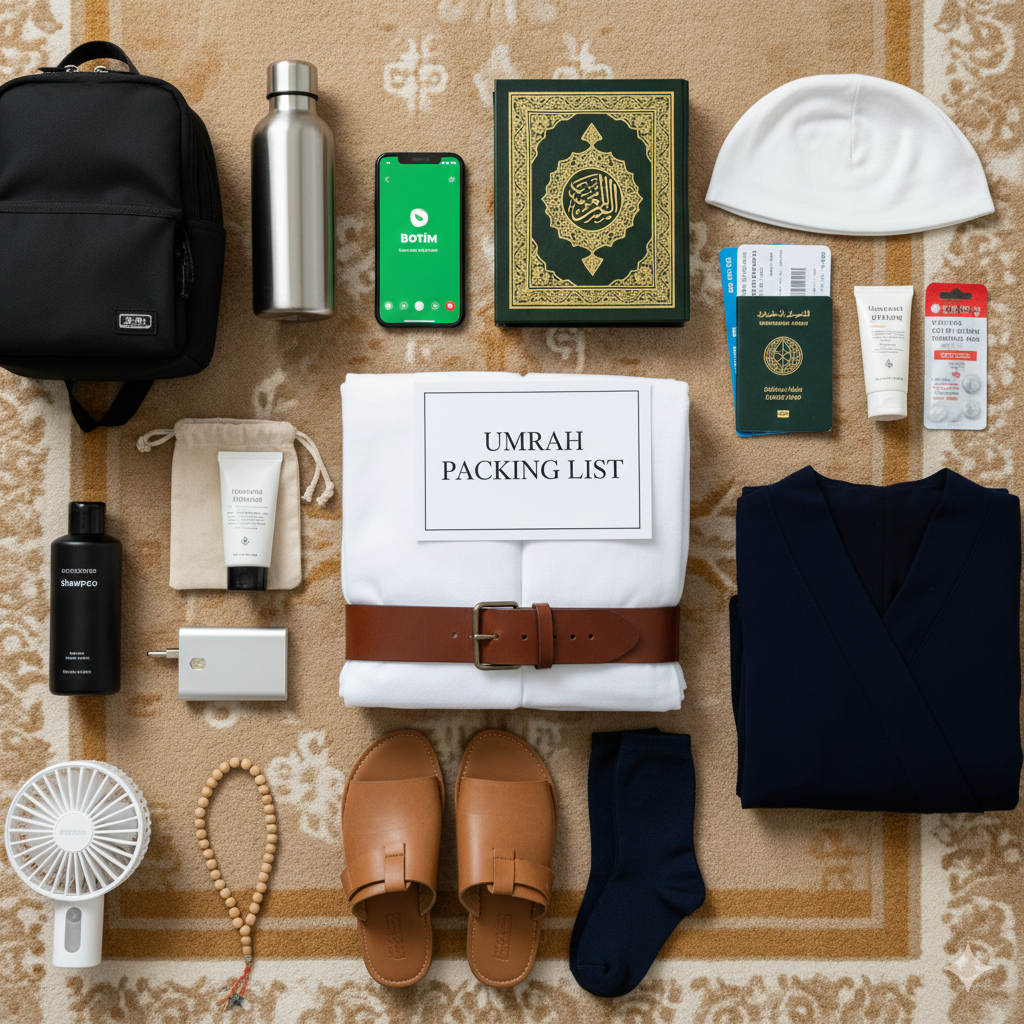
Preparing for Umrah is a journey of a lifetime, but even the most spiritual traveler can be caught off guard by the rapid modernization and unique regulations of the Kingdom. If you are departing for Umrah in 2026, you might expect a traditional desert experience, but the "New Saudi" is a blend of high-tech efficiency and strict digital rules.
To ensure your pilgrimage is seamless, here are the 13 big shockers in Saudi Arabia you must know before you leave.
1. The WhatsApp Calling Ban (A Major Shocker)
Perhaps the biggest logistical shocker for pilgrims is that WhatsApp voice and video calls do not work consistently in Saudi Arabia. While you can send texts, voice notes, and photos without issue, the "calling" feature is restricted by local telecommunications regulations.
Why this happens:
The Saudi government regulates Voice over Internet Protocol (VoIP) services. Although there are occasional "unblocks" reported in early 2026, they are often temporary.
The Shocker: You will see the "calling" screen, but it will never connect.
The Solution: Download approved alternatives like Botim, Google Meet, or Microsoft Teams before you leave home to stay in touch with family.
2. Surprisingly Disciplined Traffic (The Saher System)
Many travelers expect chaotic roads, but you will be shocked by the good traffic management and strict adherence to rules. Saudi Arabia has implemented the Saher System, a sophisticated network of digital cameras that monitor everything.
Traffic Rule Realities:
Automatic Fines: If you cross a red light or exceed the speed limit by even a few kilometers, an automated SMS fine is sent to the driver's phone within minutes.
Seatbelts are Mandatory: Cameras now detect if the driver or the front-seat passenger is not wearing a seatbelt.
Phone Usage: Touching your phone while driving is a major violation caught by high-resolution AI cameras.
3. The Nusuk App is Non-Negotiable
Gone are the days when you could simply walk into the Rawdah in Madinah whenever you pleased. Everything is now digital. The Nusuk App is the only way to secure permits for Umrah and for praying in the Rawdah.
Shocker: Without a digital permit on your phone, security will turn you away from the most sacred areas.
4. Makkah Never Sleeps
You might expect a quiet city at 3:00 AM, but Makkah is a 24/7 hub of energy. The shops, pharmacies, and restaurants around the Haram remain open throughout the night. The "shocker" for many is that the busiest time for Tawaf is often between midnight and Fajr, as pilgrims try to avoid the midday sun.
5. The "Janazah" Prayer After Every Fardu
One of the most emotional shockers for first-time pilgrims is the Janazah (funeral) prayer. In both the Masjid al-Haram and Masjid an-Nabawi, a funeral prayer is performed almost after every single one of the five daily prayers.
“Cries of 'Al-Salat al-Mayyit' (Prayer for the deceased) echo through the speakers, reminding millions of the fragility of life amidst their spiritual devotion.”
6. The High Speed of the Haramain Train
Forget long, bumpy 6-hour bus rides between Makkah and Madinah. The Haramain High-Speed Railway is a futuristic shocker.
Speed: It travels at 300 km/h.
Duration: It connects the two Holy Cities in just about 2 hours and 20 minutes.
Booking: You must book weeks in advance as tickets sell out instantly.
7. Zero Tolerance for "Scammers" and Begging
Saudi Arabia has cracked down heavily on unauthorized "guides" and beggars around the Harams. You will be shocked by the high level of security. Any person attempting to ask for money or offering "fast-track" access to the Black Stone for a fee is likely under surveillance and faces immediate arrest.
8. Cold Winters and "AC Shocks"
Most people pack for extreme heat, but the indoor air conditioning in the Masjids and hotels is incredibly powerful.
The Shocker: You might actually catch a cold from the "AC shock" when moving from 40°C heat into a 20°C mosque.
Pro Tip: Always carry a light shawl or sweater, especially for the elderly.
9. No More "Physical" Passports
When you arrive, your passport may be "taken" by your Hajj/Umrah operator or scanned into a digital system. In 2026, Saudi Arabia is moving toward a biometric-only system.
The Shocker: Don't panic if you aren't holding your physical passport for the duration of the trip; your digital visa on the Tawakkalna or Nusuk app is your primary ID.
10. The Cost of Modernity
Saudi Arabia is no longer a "cheap" destination. With the introduction of 15% VAT and a push for luxury tourism, the price of food and shopping around the Harams has surged.
| Item | Expected Price (SAR) |
| :--- | :--- |
| Standard Meal (Al Baik) | 18 - 25 |
| 500ml Water | 1 - 2 |
| Short Taxi Ride | 20 - 50 |
11. Female Pilgrims Can Travel Alone
A major cultural shocker for those who haven't visited in years is the removal of the Mahram requirement. Women over the age of 18 (and in many cases, all ages under new 2026 guidelines) can now perform Umrah without a male guardian, provided they are part of a safe group or have valid travel arrangements.
12. Strict Photography Rules
While everyone wants a "Kaaba Selfie," the authorities have become very strict about professional cameras and tripods.
Shocker: If you obstruct the flow of Tawaf to take a video, security guards (Shurta) will politely but firmly ask you to move or delete the footage. Respect the sanctity of the prayer over the "likes" on social media.
13. The "Silent" Shopping Breaks
During the Adhan and the duration of the prayer, all shops must close. Even if you are in the middle of a transaction, the shutter will go down. This 30-minute "pause" five times a day is a shock to the system for those used to Western 24/7 consumerism, but it is a beautiful reminder of the purpose of your journey.
Summary Table: Quick Reference for Pilgrims
| Feature | Reality | Action Needed |
|---|---|---|
| Connectivity | WhatsApp Calls Blocked | Install Botim or Zoom |
| Transport | High-speed trains & Good Traffic | Book train early; don't drive recklessly |
| Permits | 100% Digital via Nusuk | Register before leaving your country |
| Climate | Hot outside, freezing inside | Pack a light jacket for the Mosque |
Conclusion
The Saudi Arabia of 2026 is an efficient, high-tech, and highly regulated environment. While the spiritual essence of Umrah remains unchanged, the logistical reality is a "shocker" for many. By preparing for the WhatsApp call restrictions, respecting the good traffic laws, and mastering the Nusuk app, you can focus entirely on your worship.
Related News
-
.png)
13-Apr-2026
Big Update for Travelers – New Visa Policies Announced
-
06-Aug-2025
The UAE's 5-Year Multiple Entry Visa
-
23-Apr-2025
Hajj Packages from Pakistan marred by monumental mismanagement and red-tape
-
08-May-2019
Travel Insurance Ultimate Checklist
-
28-Apr-2020
How To Get Pakistan Visa For Foreign Citizens
-
05-Jan-2026
Training Schedule for Government Hajj Scheme Pilgrims upto 05-January,2026
-
26-Jun-2025
Journey of Faith Unbound: Saudi Arabia Allows Women to Perform Umrah Without Mahram in 2025
-
10-Sep-2025
Umrah Package Prices from Pakistan Set to Soar Amid Stricter Visa Rules
-

16-Sep-2025
Honeymoon in Maldives vs Turkey: Which One is Right for Pakistani Couples?
-
02-Jun-2021
Why Turkey Is A World's Best Tourist Attraction
-
22-Jul-2019
What To Do And Where To Visit In Rainy Season In Pakistan
-
23-Sep-2024
Now Foreigners Get FREE Visas to Pakistan. New Policy Aims to Attract Tourism
