
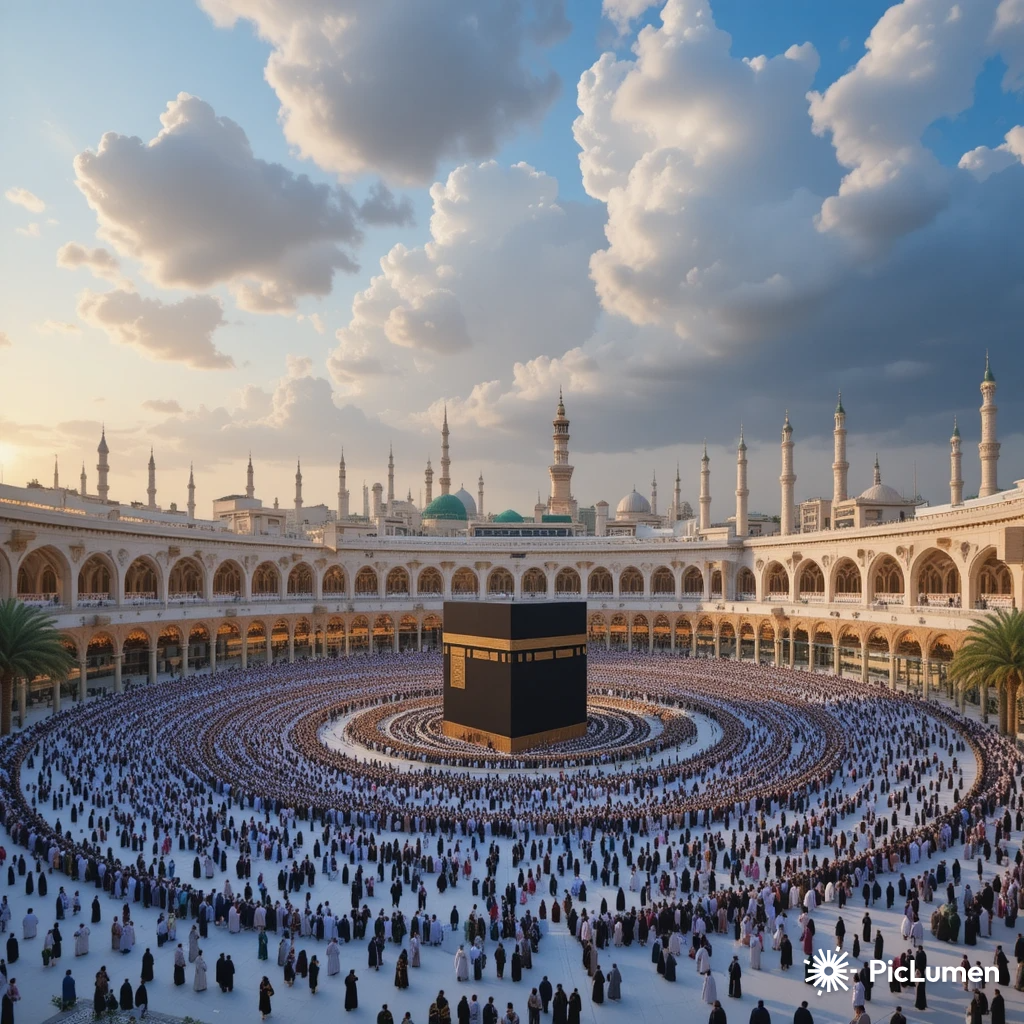
The Hajj and Umrah Data Center has officially completed its transition to a cloud-based infrastructure, marking a significant milestone in Saudi Arabia's digital transformation journey. The move comes as officials begin next season planning, ensuring that future Hajj and Umrah operations are faster, smarter, and more secure.
The migration of the Hajj and Umrah Data Center to the cloud will improve the management of millions of pilgrim records, visa applications, accommodation details, transportation services, and health information. As officials begin next season planning, cloud technology is expected to streamline every stage of the pilgrimage process.
The fully cloud-enabled Hajj and Umrah Data Center is designed to deliver higher reliability, stronger cybersecurity, and better disaster recovery capabilities, making the pilgrimage experience safer for visitors from around the world.
Why the Hajj and Umrah Data Center Moved to the Cloud
The decision to move the Hajj and Umrah Data Center to the cloud reflects Saudi Arabia's broader vision of digital government services.
Reasons Behind the Cloud Migration
Faster access to pilgrim information
Improved system reliability
Enhanced cybersecurity protection
Real-time monitoring of pilgrimage operations
Better scalability during peak Hajj and Umrah seasons
Reduced operational costs
Improved disaster recovery systems
The new cloud infrastructure enables government agencies to process millions of records simultaneously while maintaining high performanc
Officials Begin Next Season Planning Earlier Than Ever
With the Hajj and Umrah Data Center now operating entirely on the cloud, officials have already started planning for next season.
Early planning allows authorities to:
Analyze previous pilgrimage data.
Improve crowd management strategies.
Allocate accommodation more efficiently.
Optimize transportation schedules.
Strengthen emergency response systems.
Improve visa processing timelines.
Officials believe that beginning next season, planning immediately after the current season ends will significantly improve operational efficiency.
How Cloud Technology Improves Hajj and Umrah Services
Cloud computing provides several advantages for the Hajj and Umrah Data Center.
| Feature | Benefit |
|---|---|
| Cloud Storage | Stores millions of pilgrim records securely |
| Real-Time Analytics | Faster operational decisions |
| Automatic Scaling | Handles peak pilgrimage traffic |
| Backup Systems | Prevents data loss |
| Cybersecurity | Protects sensitive pilgrim information |
| AI Integration | Supports predictive planning |
These improvements make the Hajj and Umrah Data Center more capable of serving millions of pilgrims without interruptions.
Better Visa Processing Through the Cloud
One of the biggest benefits of the cloud migration is faster Hajj and Umrah visa processing.
The upgraded Hajj and Umrah Data Center allows:
Faster application verification
Reduced processing delays
Improved coordination between ministries
Better document management
Faster approval workflows
As officials begin next season planning, visa processing improvements remain one of the highest priorities.
Enhanced Pilgrim Experience
The cloud-based Hajj and Umrah Data Center is expected to improve the overall pilgrim journey.
Pilgrims Can Expect
Faster digital services
Improved mobile applications
Better accommodation coordination
Real-time transport updates
Faster health service access
Reduced waiting times
These improvements support Saudi Arabia's goal of delivering a seamless pilgrimage experience.
Data Security Becomes Stronger
Security remains a top priority for the Hajj and Umrah Data Center.
The cloud infrastructure introduces:
Multi-layer encryption
Identity verification
Continuous monitoring
Automated backups
Threat detection systems
Secure access controls
These measures help protect sensitive information belonging to millions of pilgrims worldwide.
Artificial Intelligence Supports Next Season Planning
The cloud-based Hajj and Umrah Data Center also enables greater use of Artificial Intelligence (AI).
AI systems can help authorities by:
Predicting pilgrim numbers
Identifying peak travel periods
Managing crowd movement
Optimizing transportation routes
Forecasting accommodation demand
Improving emergency planning
Officials begin next season planning using data-driven insights instead of relying solely on historical trends.
Benefits for Government Agencies
The transition of the Hajj and Umrah Data Center benefits multiple government departments.
Major Advantages
Improved collaboration
Faster data sharing
Better decision-making
Reduced paperwork
Lower infrastructure costs
Greater operational efficiency
The centralized cloud environment allows agencies to work together more effectively throughout the pilgrimage season.
Future Innovations Expected
Now that the Hajj and Umrah Data Center has fully shifted to the cloud, several future innovations are expected.
Possible developments include:
AI-powered pilgrim assistance
Smart crowd management systems
Digital health monitoring
Predictive traffic control
Advanced multilingual support
Real-time emergency coordination
These innovations could further improve both Hajj and Umrah services over the coming years.
Key Highlights
The Hajj and Umrah Data Center has fully transitioned to cloud infrastructure.
Officials begin next season planning immediately after the current pilgrimage season.
Cloud technology improves visa processing, cybersecurity, and operational efficiency.
Artificial Intelligence supports better planning and resource allocation.
Pilgrims benefit from faster, safer, and more reliable digital services.
Government agencies gain stronger collaboration through centralized cloud systems.
Conclusion
The successful migration of the Hajj and Umrah Data Center to a fully cloud-based environment represents a major advancement in Saudi Arabia's digital transformation efforts. As officials begin next season planning, cloud technology provides the flexibility, security, and scalability needed to manage one of the world's largest annual religious gatherings.
By combining cloud computing, Artificial Intelligence, advanced cybersecurity, and real-time analytics, the Hajj and Umrah Data Center is positioned to deliver a smoother, safer, and more efficient pilgrimage experience. With continuous innovation and proactive planning, future Hajj and Umrah seasons are expected to become even more organized, ensuring millions of pilgrims receive world-class digital services from arrival to departure.
Related News
-

14-Jan-2026
Behind the Scenes: How We Prepare January Umrah Packages for 2026
-

18-Nov-2024
Hajj Application 2025- New Government Scheme Announced- Key Date and Detail Revealed
-

27-Feb-2026
Italy to Grant 10,500 Work Visas to Skilled Pakistanis
-

21-Oct-2024
How to stay fit during Umrah. Best Tips for a Healthy Umrah Experience
-

13-Sep-2025
PIA Halts Canada Flights for Three Weeks as Boeing 777s Go Into Overhaul
-

31-Jul-2023
Polio Card is Now Mandatory for Umrah Pilgrims
-
29-Nov-2024
Special Banking Hours for Hajj 2025 Applications This Weekend
-

21-Aug-2019
5 Finest Villas in Murree
-

11-Feb-2026
Corporate Umrah Packages – A New Trend in Pakistan
-

10-Sep-2025
Halal-Friendly Packages: Hotels & Restaurants for Muslim Travelers
-

27-Jun-2019
Top 10 Peaks in Pakistan
-

19-Nov-2024
Saudi Arabia to Host 1,000 Umrah Pilgrims from 66 Countries with King Salman's Approval
