
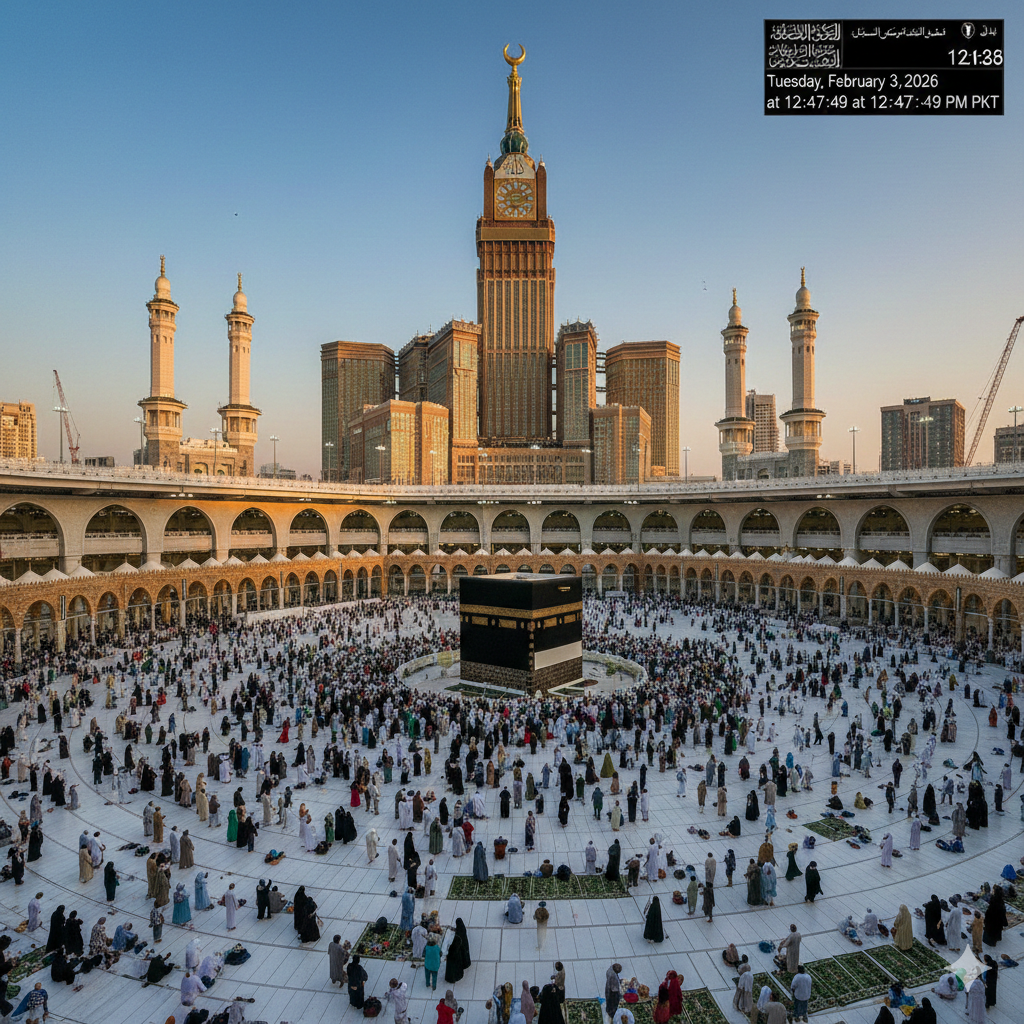
Performing Umrah is a profound spiritual milestone for many Pakistanis. However, the excitement of the journey often leads to hasty decisions during the planning phase. To ensure your pilgrimage is focused on devotion rather than logistics, it is crucial to avoid common pitfalls.
Below is a detailed guide on the top mistakes Pakistanis make and how to navigate the complexities of travel planning.
1. Prioritizing Price Over Proximity (The Hotel Trap)
The most common mistake is choosing the cheapest Umrah packages without checking the actual distance of the hotel from the Haram. While a lower price point is tempting, staying several kilometers away can lead to exhaustion.
Shuttle Services: Many "budget" hotels claim to offer 24/7 shuttle services, but these can be unreliable during peak prayer times.
Physical Toll: Walking long distances in the heat can drain your energy for Ibadah.
Hidden Costs: You might end up spending more on private taxis than you saved on the initial package.
2. Neglecting the Authenticity of the Travel Agent
In Pakistan, the market is flooded with travel agents. A major error is failing to verify if an agent is licensed by the Department of Tourist Services (DTS) and the Saudi Ministry of Hajj and Umrah.
Verification Checklist
| Feature | Reliable Agent | Unreliable Agent |
|---|---|---|
| License | Displays DTS and IATA certification | Hesitant to show documentation |
| Contract | Provides a written, stamped agreement | Relies on verbal promises |
| Payment | Issues official receipts | Requests cash without documentation |
| Reviews | Has a physical office and verifiable history | Operates solely through social media/WhatsApp |
3. Ignoring the Specifics of the Visa Category
With the introduction of the Saudi Tourist Visa alongside the traditional Umrah Visa, many Pakistanis get confused.
Tourist Visa: Allows multiple entries and a longer stay but might not include the "Umrah Insurance" required for some local services.
Umrah Visa: Specifically designed for pilgrims, often bundled with ground handling services.
Mistake: Not clarifying which visa is being issued. Always ask your agent about the duration of stay and whether the visa allows travel to cities outside of Makkah and Madinah.
4. Underestimating the Importance of "Ziarats"
Many pilgrims assume that Ziarat (visits to holy sites) are automatically included and well-coordinated. In reality, these are often rushed.
Ghar-e-Hira & Ghar-e-Thawr: Ensure the transport allows enough time for these visits.
Field Knowledge: Check if the package includes a guide who can explain the historical significance of the sites in Urdu or your local language.
Group vs. Private: Large bus tours for Ziarats can be hectic; sometimes booking a private car locally is more efficient.
5. Poor Timing and Seasonality
Pakistanis often book during the December holidays or Ramazan without realizing the massive price hikes and crowd density during these periods.
Pro Tip: If you have flexibility, traveling in the "off-season" (just after Hajj or during mid-Shawal) can provide a much more peaceful experience at a fraction of the cost.
6. Lack of Research on Flight Connectivity
A common mistake is booking indirect flights with long layovers to save a few thousand rupees. For elderly pilgrims or those traveling with children, a 10-hour layover in a third country can be grueling.
Direct Flights: PIA, Air Blue, and Saudi Arabian Airlines offer direct routes from Karachi, Lahore, and Islamabad.
Baggage Allowance: Always confirm the "Zamzam water" allowance. Some budget airlines charge extra or have specific rules for carrying holy water back to Pakistan.
7. Ignoring Health and Vaccination Requirements
While COVID-19 restrictions have eased, specific vaccinations (like Meningitis and Polio) are still mandatory or highly recommended.
Medical Records: Failing to carry a physical copy of your vaccination certificate can cause delays at the airport.
Medication: Many Pakistanis forget to pack a sufficient supply of their regular prescription meds, assuming they will find the exact brands in Saudi Arabia.
8. Misunderstanding "Full Board" vs. "Room Only"
Food is a significant expense. Pakistanis often make the mistake of assuming "all-inclusive" means three Pakistani-style meals a day.
Catering Issues: Some packages provide "Standard Pakistani Food," which might be served in a communal setting far from your room.
Flexibility: It is often better to opt for "Room Only" or "Breakfast Only" packages, as Makkah and Madinah have an abundance of Pakistani and International food chains (like Al-Baik) that are affordable and high-quality
Summary of Mistakes to Avoid
Assuming all 4-star hotels are the same (standards vary significantly).
Booking at the last minute during peak seasons like Ramazan.
Failing to get a detailed itinerary in writing.
Not checking the "Quad Sharing" vs. "Triple Sharing" room configurations.
Comparison of Room Sharing Options
| Room Type | Pros | Cons |
|---|---|---|
| Quad (4 People) | Most economical | Lack of privacy, cramped space |
| Triple (3 People) | Good balance of cost/comfort | Can still be crowded |
| Double (2 People) | Ideal for couples/privacy | Most expensive option |
Performing Umrah is a journey of a lifetime. By avoiding these common logistical errors, you can ensure that your mind remains on your prayers rather than your paperwork.
Would you like me to help you draft a checklist of questions to ask your travel agent before you pay for an Umrah package?
Related News
-
03-Oct-2024
Visa-Free Countries for Pakistan
-

25-Jan-2021
Top 10 Places should Visit in Pakistan in 2021
-
28-Nov-2021
Direct Entry To Perform Umrah
-
23-Feb-2026
Ultimate Guide to Ramadan 2026: Navigating 15 Days Umrah Packages from Lahore
-
20-Oct-2021
Best Things to do in Turkey 2021
-

16-Oct-2021
Looking for Best Destinations save up to 15% on Flights
-
26-Jun-2025
Journey of Faith Unbound: Saudi Arabia Allows Women to Perform Umrah Without Mahram in 2025
-

27-Aug-2025
Portugal Golden Visa 2025 Guide to Requirements and Application
-
21-Oct-2024
How to stay fit during Umrah. Best Tips for a Healthy Umrah Experience
-

16-Mar-2023
China to start visa processing for tourists. Apply Now
-
05-Jan-2026
Training Schedule for Government Hajj Scheme Pilgrims upto 05-January,2026
-

01-Feb-2022
Top Airports in Pakistan in terms of Passenger Traffic
