
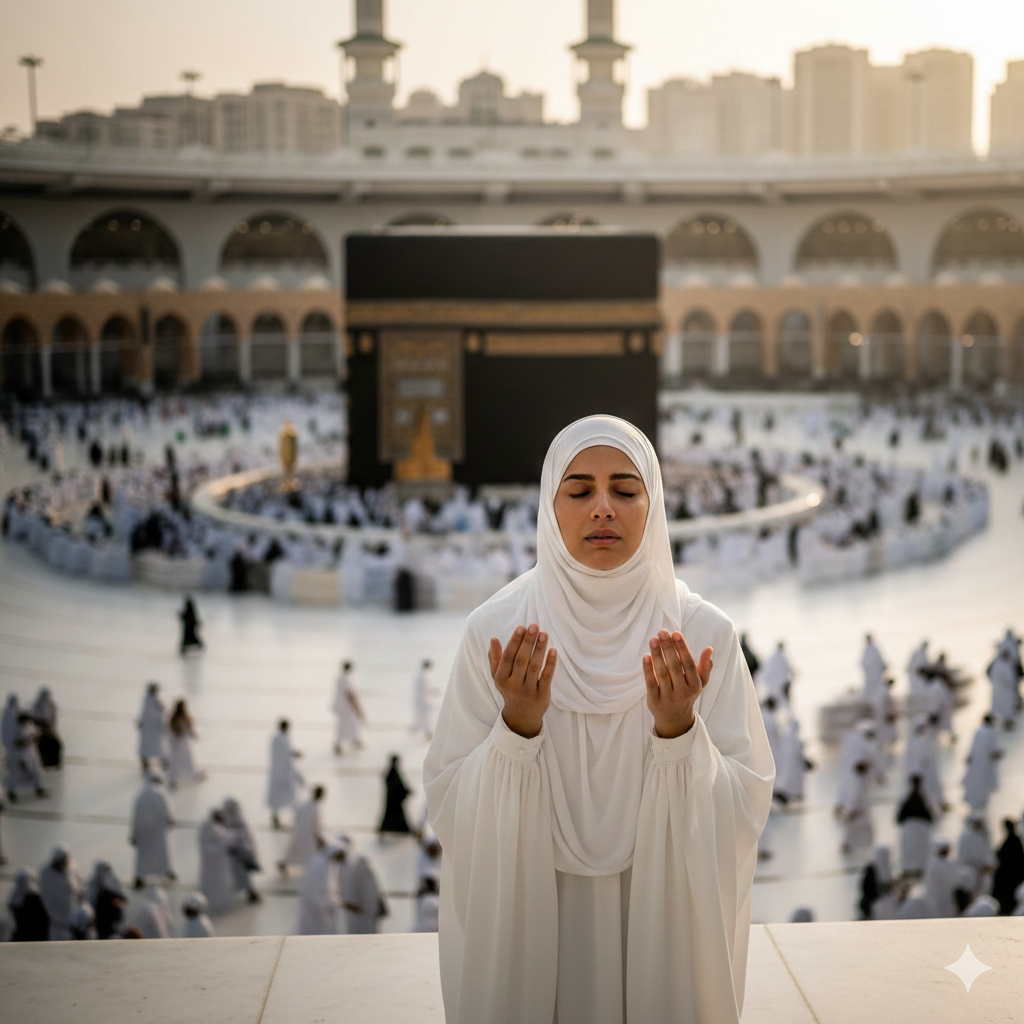
The training of pilgrims is a cornerstone of the Government Hajj Scheme 2026, ensuring that the "Guests of Allah" are equipped with the spiritual knowledge and administrative awareness required for a successful journey.As of 05-January, 2026, the Ministry of Religious Affairs and Interfaith Harmony (MoRA) has officially rolled out the first phase of this mandatory program across Pakistan.
1. Official Commencement of Hajj Training 2026
The first phase of the mandatory comprehensive training program for intending Hajj pilgrims began on January 1, 2026. This phase is designed to cover the basic rituals of Hajj, logistical arrangements, and the use of the "Pak Hajj 2026" mobile application.
Key Objectives of the Training:
Ritual Proficiency: Understanding the Faraid (obligatory), Wajibat (essential), and Sunnah (prophetic traditions) acts of Hajj.
Logistical Familiarization: Briefings on flight schedules, baggage limits, and the "Road to Makkah" project.
Technological Integration: Training on using the Nusuk and Pak Hajj apps for digital permits and complaints.
Health and Safety: Guidelines on physical fitness, mandatory vaccinations, and heatstroke prevention.
2. Detailed Training Schedule (Up to January 08, 2026)
The Ministry has released a localized schedule for various tehsils and districts. Pilgrims are notified via SMS and the mobile app. Below is the breakdown of sessions held and scheduled for the first week of January:
| Date | Regions / Cities Covered | Status |
|---|---|---|
| Jan 01 | Islamabad (Haji Camp), Major Provincial Capitals | Completed |
| Jan 02 | Abbottabad | Completed |
| Jan 03 | Ghotki, Thatta, Kotli (Azad Kashmir) | Completed |
| Jan 04 | Mirpur (AJK), Tando Muhammad Khan, Khairpur (Sindh) | Completed |
| Jan 05 | Rawalakot, Badin, Naushahro Feroze | Ongoing |
| Jan 06 | Fateh Jang, Dadu, Tharparkar (Mithi) | Upcoming |
| Jan 07 | Umerkot, Larkana, Haripur | Upcoming |
| Jan 08 | Mirpur Khas, Shahdadkot, Mansehra | Upcoming |
Mandatory Requirement: Attendance at these one-day sessions is compulsory.Intending pilgrims must bring their Original CNIC and the Computerized Hajj Application Receipt to mark their attendance.
3. The 5-Day Hajj Rituals Guide
During the sessions, master trainers use visual aids to explain the core timeline of the Hajj journey.
8th Zil-Hajj: Departure for Mina in the state of Ihram.
9th Zil-Hajj: The "Greatest Pillar"—Wuquf-e-Arafat, followed by an overnight stay in Muzdalifah.
10th Zil-Hajj: Rami (stoning the big Jamarat), Qurbani (sacrifice), Halq (shaving head), and Tawaf-e-Ziyarat.
11th & 12th Zil-Hajj: Staying in Mina and stoning all three pillars (Jamarat).
Tawaf-e-Wida: The farewell circumambulation before departing Makkah.
4. Administrative Shockers and New Rules for 2026
The 2026 policy introduces several administrative updates that pilgrims must memorize during their training:
Baggage and Gifts
Suitcase: Each pilgrim will receive a 25kg suitcase and a 7kg hand-carry bag.
Identification: Female pilgrims will be provided with specific green scarves featuring the Pakistani flag to help them stay identified in large crowds.
Connectivity: A Saudi SIM card will be provided to ensure communication with the Maktab.
Travel and Health
The "Road to Makkah" Project: Pilgrims departing from Islamabad and Lahore will undergo Saudi immigration in Pakistan, allowing them to bypass long queues in Jeddah/Madinah.
Physical Endurance: Trainers advise pilgrims to start walking 2–3 kilometers daily starting now to prepare for the physical rigors of the Mashair.
Prohibited Items: A zero-tolerance policy exists for Naswar (snuff), cigarettes, and betel leaves.19 Drug trafficking in Saudi Arabia carries the death penalty.
5. Important Deadlines Post-January 5th
While training is ongoing, pilgrims must keep track of several critical dates in the Hajj 2026 timeline:
January 20, 2026: Deadline for the Ministry to finalize airline contracts and flight schedules.
February 2026: Completion of all Phase 1 training sessions at the tehsil level.
February 08, 2026: Deadline for submitting final pilgrim data into the Saudi Nusuk Massar platform.
April 17, 2026: Tentative date for the commencement of Hajj flight operations.
6. Vaccination and Medical Certification
Immediately following the training sessions, the mandatory vaccination phase will begin at respective Hajj camps.
Meningococcal Vaccine: Mandatory for all.
Polio/Influenza: Recommended and often required based on latest Saudi health circulars.
Medical Fitness: Pilgrims with severe chronic illnesses (kidney failure, advanced liver disease, etc.) will be screened; only those fit for travel will be issued visas.
Conclusion
The Hajj training program is not merely a formality but a vital preparation for a complex journey.As of January 5, 2026, thousands of pilgrims have already completed their first step toward the Holy Cities. If you are an intending pilgrim, ensure you stay updated via the Pak Hajj 2026 App and do not miss your scheduled slot.
Would you like me to generate a specific list of the essential items you should carry in your 7kg hand-carry bag based on the latest 2026 guidelines?
Related News
-
03-Mar-2025
Strategy of Religious Tolerance Building a Framework for Peaceful Coexistence
-

06-Oct-2019
How to check Umrah Visa Status online
-
08-Jun-2025
Best Travel Agencies in Pakistan for Umrah
-
04-Jun-2020
Despite Increasing Coronavirus Cases, PM Wants Tourism
-
07-Feb-2020
10 Countries That Offer Easy Visa to Pakistanis
-
28-Aug-2025
Kuwait Update Rules for Passport Application
-
11-Feb-2025
Exclusive Umrah Deals for Shab-e-Barat 2025 – Book Your Trip Today
-
10-Jan-2023
Thailand Government Announces New International Passenger Rules Concerning 2023
-

24-Feb-2021
Join Expo 2021 Dubai UAE To Get The Employment Opportunities In Dubai
-
28-Jul-2025
Family Umrah Packages with Kids Stay Free – Limited Time Offer!
-
23-Oct-2019
10 Cheapest Umrah Packages in Pakistan
-

28-Jan-2026
How the New Advanced Passport Monitoring System is Revolutionizing Pakistan’s Immigration Services
