

The latest global aviation data reveals a continuing reshuffle in the world’s busiest international airports, with a clear leader emerging as air travel rebounds strongly post-pandemic. While Singapore Changi — often celebrated as the world’s best airport — remains an elite airport experience, the title of most trafficked international hub belongs to another global gateway.
Rising Air Travel Demand Shapes Airport Rankings
Driven by ongoing growth in global tourism, business travel, and expanded airline networks, international travel demand surged throughout 2025. Airports in Pakistan, the Gulf, Europe, and East Asia reported major increases in capacity and passenger seats, highlighting the dynamic shifts in international routes and airline scheduling strategies.
Top Busiest International Airports in 2025
Here’s a snapshot of where global international passenger capacity is concentrated, reflecting airline scheduling and route demand from the latest industry aviation analytics:
| Rank | Airport | Country | Estimated International Seat Capacity (2025) |
|---|---|---|---|
| 1 | Dubai International Airport (DXB) | UAE | ~62.4 million |
| 2 | London Heathrow Airport (LHR) | UK | ~49.0 million |
| 3 | Seoul Incheon International Airport (ICN) | South Korea | ~43.0 million |
| 4 | Singapore Changi Airport (SIN) | Singapore | ~42.6 million |
| 5 | Hong Kong International Airport (HKG) | Hong Kong | ~38.7 million |
Note: Ranking based on scheduled international seat capacity (both departures and arrivals) in 2025, reflecting global traffic trends.
Dubai International Airport (DXB): Center of Global Connectivity
Why Dubai Keeps Its Lead
Despite strong competition from European and Asian hubs, Dubai International Airport has maintained its status as the world’s busiest international airport for several years running due to:
- Strategic geographic location connecting East and West.
- More than 100 airlines offering flights to over 270 global destinations.
- A strong focus on transit passengers and airline partnerships.
- Continued year-on-year expansion in available international seats.
This performance underscores DXB’s critical role in global connectivity, particularly between Europe, Asia, and Africa.
Key Trends in Global International Travel
Heathrow and Incheon: Strong European and Asian Hubs
London Heathrow and Seoul Incheon consistently rank as mega-hubs:
- Heathrow remains Europe’s principal gateway for transatlantic and international connections.
- Incheon is central to East Asian travel and long-haul international services.
Singapore Changi: Best Airport Experience, Not Top Traffic
While Changi Airport in Singapore is often lauded with top customer satisfaction and service awards, its seat capacity ranks below the busiest hubs, illustrating that prestige and passenger experience do not always align with volume statistics.
Growth in Asian and Gulf Hubs
Airports in Asia, the Middle East, and Gulf regions have shown notable increases in seating capacity and route expansion, reflecting regional aviation growth and globalization.
Connectivity: Pakistan to Dubai International (DXB)
Flying between Pakistan and Dubai International Airport (DXB) is seamless, thanks to a robust network of direct links across major cities. Karachi (KHI) serves as the primary hub, offering over 28 weekly flights via Emirates and flydubai from Karachi to Duabi, with the shortest travel time of approximately 2 hours and 15 minutes.
Lahore to Dubai flights and Islamabad to Dubai flights also maintain high-frequency connections, with daily services provided by Airblue, PIA, and Air Sial. For travelers in the north and south, Peshawar (PEW) and Multan (MUX) offer regular nonstop schedules, ensuring reliable access to the UAE for business and tourism.
| City | Average Flight Duration | Major Airlines |
|---|---|---|
| Karachi | 2h 15m | Emirates, flydubai, Airblue |
| Lahore | 3h 30m | PIA, Air Sial, Emirates |
| Islamabad | 3h 45m | flydubai, Airblue, PIA |
| Multan | 3h 20m | flydubai, PIA |
Related News
-
21-Oct-2025
UAE Visa Ban 2025: Suspended Visas for Nine Countries
-
27-Jul-2025
Heartbreaking Incident Claims Lives of Pakistani Umrah Pilgrims
-
14-May-2025
First Batch of Pakistani Hajj Pilgrims Arrives in Jeddah, Marking the Beginning of the Annual Pilgrimage
-

28-Apr-2020
How To Get Pakistan Visa For Foreign Citizens
-

13-Jun-2020
Top 5 Benefits of Traveling, Why You Should Travel More in 2020
-

10-Mar-2020
Looking to spend a beautiful week in the mountains Go to kalam
-
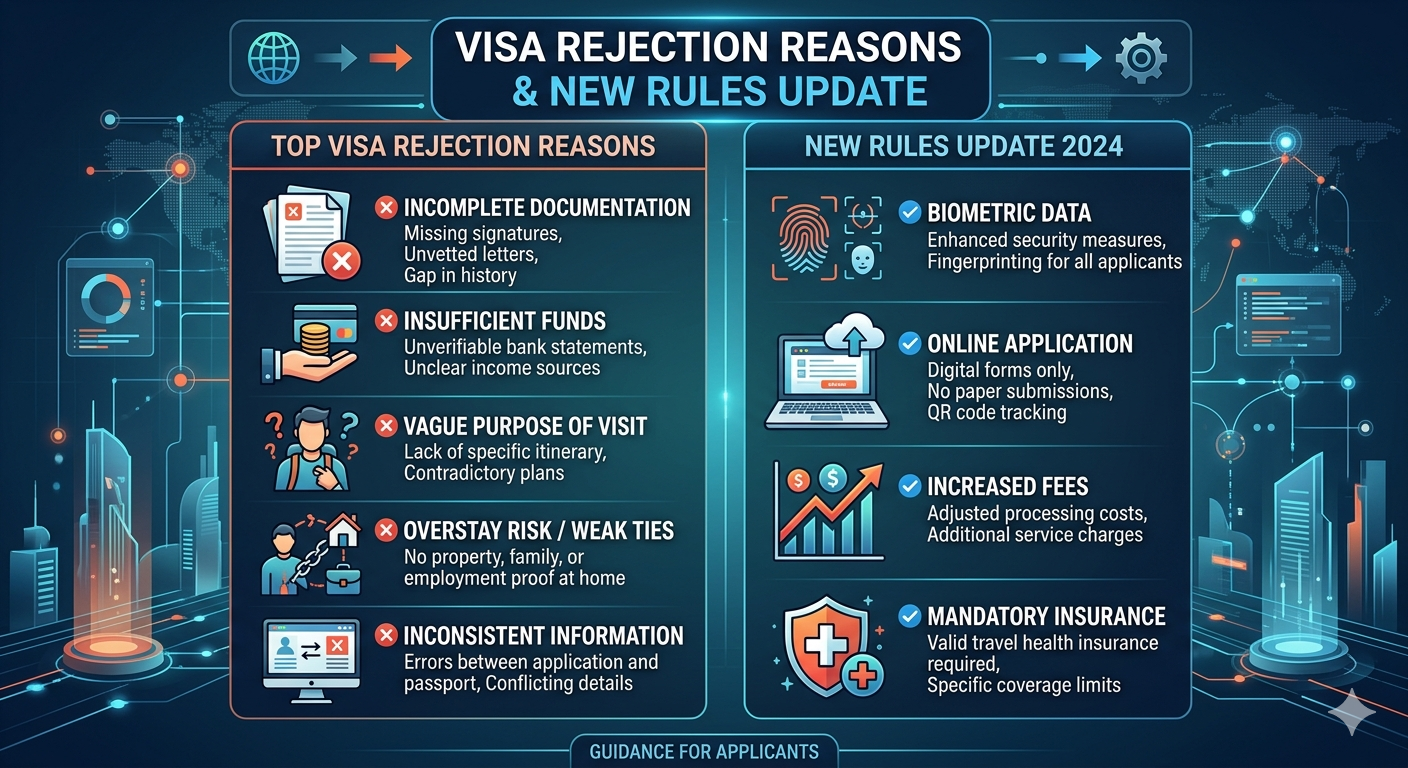
09-Apr-2026
Schengen Visa Processing Time Changes 2026
-
18-Mar-2026
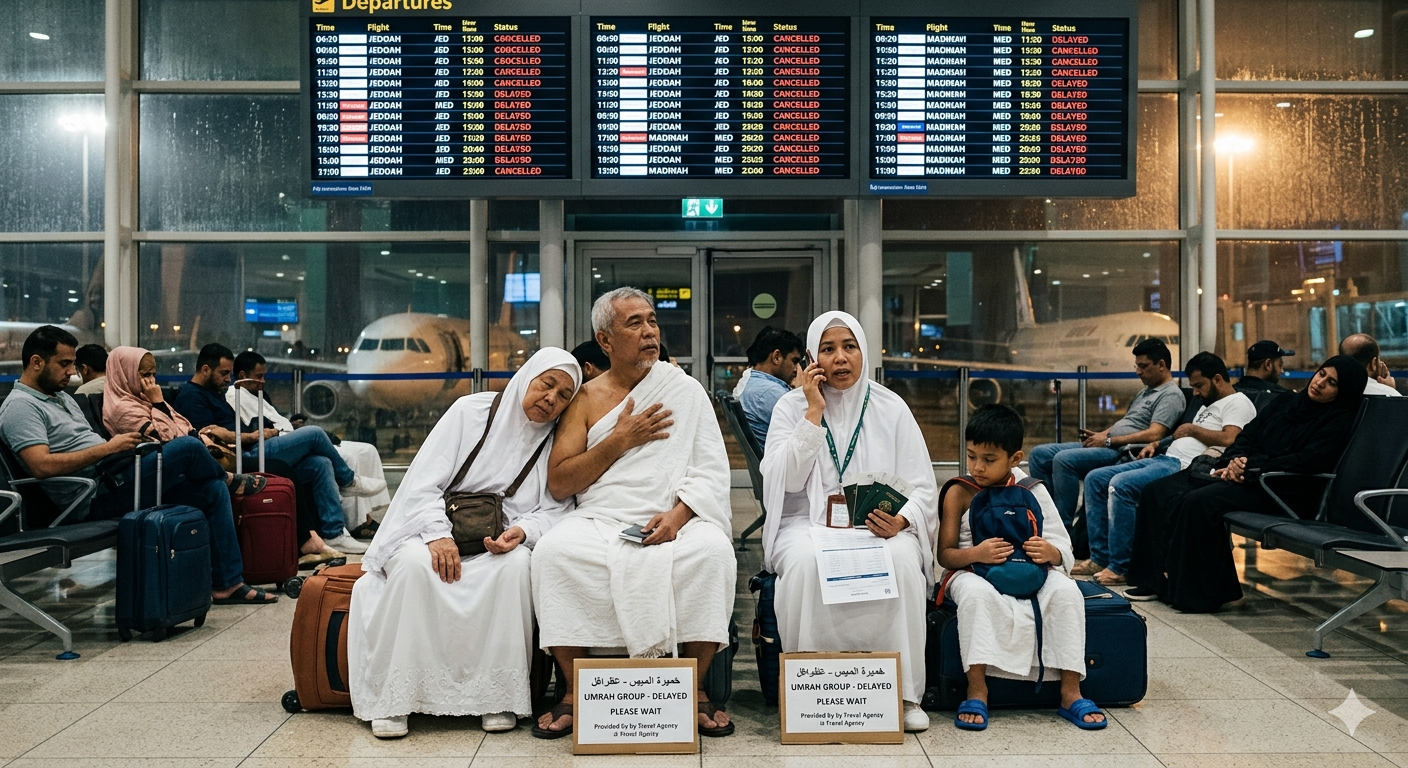
How Flight Disruptions Create Problems for Umrah Pilgrims Worldwide
-
.webp)
03-Jul-2025
Umrah Season Commences with Over 190,000 Visas Issued, Highlighting Saudi Arabia's Vision 2030 Aspirations
-

09-Jan-2026
Saudi Arabia Announces Final Dates for Umrah Visa 2026
-
11-Sep-2026
Qatar Suspended Visa on Arrival Facility Suspended for Pakistani Travelers
-

16-May-2019
The Rise of Tour Operators in Pakistan
