
Health Requirements and Guidelines for Pilgrims
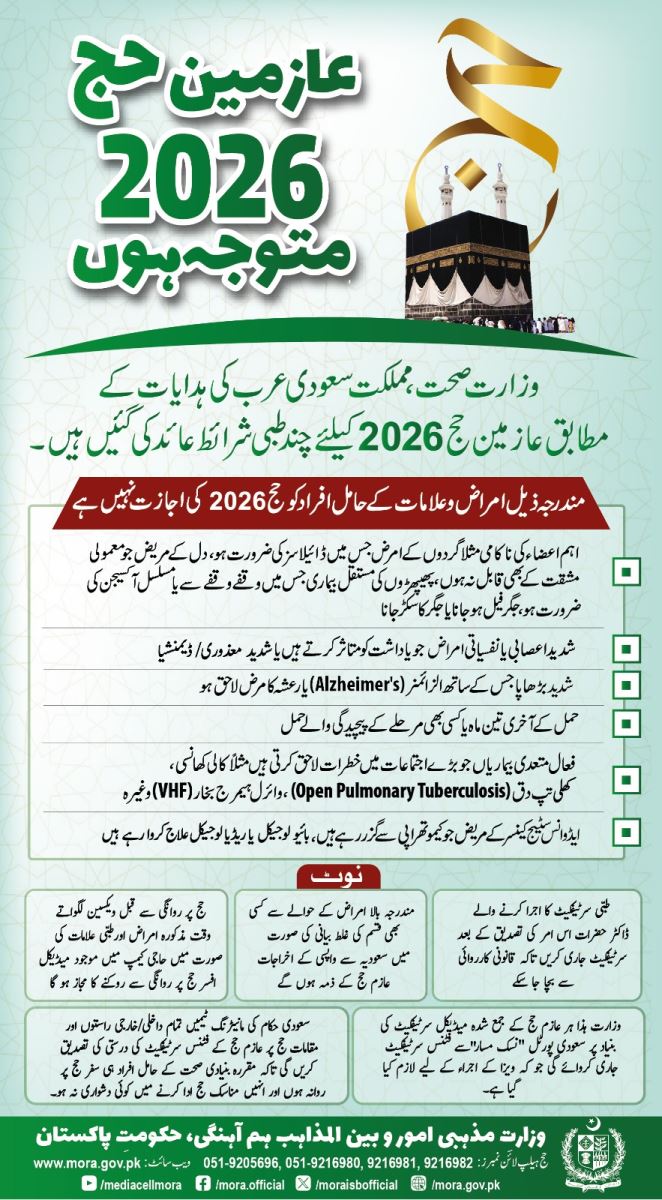
The Saudi Government has announced comprehensive health instructions for Hajj 2026, corresponding to Hajj 1447 AH, marking one of the most stringent health requirements in recent years. These Saudi health instructions are designed to protect the health and safety of millions of pilgrims who will undertake the sacred pilgrimage to Makkah and Madinah. The Saudi Ministry of Health has emphasized that compliance with these health requirements is mandatory for obtaining a Hajj visa and entering the Kingdom of Saudi Arabia.
Understanding and following the Saudi Government health instructions is crucial for every pilgrim planning to perform Hajj 2026. This comprehensive guide covers all mandatory vaccinations, health certificates, disqualifying medical conditions, and essential health preparations required by Saudi authorities.
Overview of Saudi Arabia's Health Requirements for Hajj 2026
Understanding the New Health Framework
The Saudi Government has introduced revised health requirements for Hajj 2026 that focus on mandatory immunizations against communicable diseases, medical fitness certification, and screening criteria for pilgrims with chronic or severe health conditions. These stringent health requirements are aimed at preventing the spread of infectious diseases and ensuring a smooth and secure pilgrimage experience.
Key Objectives of Health Instructions:
- Protecting individual pilgrims: Ensuring each pilgrim can physically withstand the demanding pilgrimage rituals
- Collective well-being: Safeguarding the health of millions performing sacred rites in close proximity
- Disease prevention: Stopping outbreaks of communicable diseases during Hajj
- Healthcare system management: Preventing overburdening of Saudi medical facilities in Makkah and Madinah
- Public health standards: Maintaining international health standards during mass gatherings
The Saudi Government periodically updates Hajj regulations in response to evolving global health challenges, climate conditions, and the increasing number of participants.
Mandatory Vaccinations for Hajj 2026
Complete Vaccination Requirements
All intending pilgrims must present valid certificates of vaccination against COVID-19, meningitis, polio, and yellow fever before entering the Kingdom. These vaccinations are not optional—they are absolute requirements for Hajj visa approval and entry into Saudi Arabia.
1. Meningococcal Meningitis (ACWY) Vaccine
Most Critical Requirement:
Every pilgrim must be vaccinated against meningitis with the ACWY vaccine not more than five years and not less than ten days before arrival in Saudi Arabia. This vaccination protects against four types of meningococcal bacteria: A, C, W, and Y.
Detailed Requirements:
| Vaccination Aspect | Requirement Details |
|---|---|
| Vaccine Type | Quadrivalent Meningococcal ACWY vaccine |
| Validity Period | Maximum 5 years from vaccination date |
| Minimum Timing | At least 10 days before Saudi arrival |
| Certificate | Valid vaccination certificate mandatory |
| Age Requirement | All pilgrims above 2 years of age |
Important Notes About Meningitis Vaccination:
- Adults and children over the age of 2 years should receive 1 dose of the quadrivalent polysaccharide (ACYW135) vaccine
- The vaccine must be documented on an official vaccination certificate
- Pilgrims from African meningitis belt countries receive additional ciprofloxacin tablets (500 mg) chemoprophylaxis at port of entry
- No Hajj visa will be issued without a valid meningitis vaccination certificate
2. COVID-19 Vaccination
Updated COVID-19 Requirements:
All pilgrims and Hajj workers must show proof of full vaccination with vaccines approved by Saudi Arabia. The most recent dose must have been administered between 2021 and 2025, and at least two weeks before travel.
COVID-19 Vaccination Specifications:
- Approved vaccines only: Must be from Saudi-approved manufacturers
- Recent vaccination: Dose administered between 2021-2025
- Timing requirement: At least 2 weeks before departure
- Documentation: Valid vaccination certificate or digital proof
- Booster considerations: Latest dose must meet timing requirements
Acceptable COVID-19 Vaccines:
- Pfizer-BioNTech
- Moderna
- AstraZeneca (Oxford)
- Johnson & Johnson
- Sinopharm
- Sinovac
- Other WHO-approved vaccines recognized by Saudi Arabia
3. Polio Vaccination
Country-Specific Requirements:
Due to ongoing global surveillance, pilgrims from Nigeria, Pakistan, Afghanistan, and Chad are required to receive a dose of the Inactivated Poliovirus Vaccine (IPV) or Oral Polio Vaccine (bOPV/novel OPV2) at least four weeks before travel. Proof must be recorded in the International Certificate of Vaccination (Yellow Card).
Polio Vaccination Details:
For pilgrims from polio-endemic countries:
- Vaccine options: IPV (Inactivated) or bOPV/novel OPV2 (Oral)
- Timing: Minimum 4 weeks before departure
- Documentation: Must be in the International Certificate of Vaccination (Yellow Card)
- Countries affected: Nigeria, Pakistan, Afghanistan, Chad, and regions with active transmission
For pilgrims from other countries:
- Generally not required unless WHO guidelines specify
- Recommended to check with the Saudi Embassy in your country
- Maintain routine polio vaccination status
4. Yellow Fever Vaccination
Yellow Fever Requirements:
All travelers above nine months of age must present a valid Yellow Fever vaccination certificate upon entry. The vaccination must have been administered at least 10 days and at most 10 years before arrival at the border.
Yellow Fever Vaccination Specifications:
- Age requirement: All travelers over 9 months old
- Validity window: 10 days to 10 years from vaccination date
- Certificate: International Yellow Fever Certificate required
- Countries affected: Particularly travelers from yellow fever-endemic regions
- Consequences: Without a certificate, individuals will be placed under strict surveillance for 6 days
Countries Where Yellow Fever Vaccination is Critical:
- All African yellow fever belt countries
- Parts of South America
- Specific regions in Central and South America
- Check the WHO yellow fever country list before travel
Medical Fitness Requirements and Health Certificates
Mandatory Health Certificate Components
The Saudi authorities mandate full compliance with the Kingdom of Saudi Arabia's Ministry of Health medical fitness requirements for attending Hajj, including a certificate from medical authorities of the pilgrims' countries.
Health Certificate Must Confirm Freedom From:
- Major organ failure (heart, lungs, liver, or kidneys)
- Neurological or psychiatric disorders that impair cognition or are accompanied by severe motor disabilities
- Senility accompanied by dementia
- High-risk pregnancy at any stage
- Cancer patients receiving chemotherapy, biological, or radiological treatment
- Active infectious diseases with public health impact (tuberculosis, hemorrhagic fever)
Physical Fitness Assessment
Pilgrims must be physically able to perform the Hajj rituals independently without relying on others. The health certificate must verify:
Independence Requirements:
- Ability to walk long distances in hot weather
- The capability to stand for extended periods
- Mental alertness and cognitive function
- Physical stamina for ritual performances
- No dependency on others for mobility
Disqualifying Medical Conditions for Hajj 2026
Chronic Diseases That Prevent Hajj Participation
Pilgrims with conditions such as chronic kidney or heart failure, chronic lung or liver disease, cognitive or motor impairments, high-risk pregnancies, active infections, or cancer undergoing treatment will not be eligible to perform Hajj.
Complete List of Disqualifying Conditions:
Cardiovascular Conditions
- Chronic heart failure (any stage)
- Severe coronary artery disease
- Uncontrolled hypertension
- Recent heart attack or cardiac procedures
- Severe valvular heart disease
- Advanced heart conditions requiring continuous medical supervision
Respiratory Conditions
- Chronic lung failure
- Severe chronic obstructive pulmonary disease (COPD)
- Advanced asthma requiring frequent hospitalization
- Pulmonary fibrosis
- Conditions requiring oxygen therapy
- Severe breathing difficulties
Renal (Kidney) Conditions
- Chronic kidney failure
- End-stage renal disease
- Patients on dialysis
- Advanced kidney disease requiring regular medical intervention
- Severe kidney dysfunction
Hepatic (Liver) Conditions
- Chronic liver failure
- Advanced cirrhosis
- Severe hepatic dysfunction
- Liver disease with complications
- Active liver infections
Neurological and Psychiatric Disorders
- Dementia and severe cognitive impairment
- Senility with dementia
- Psychiatric disorders impairing judgment
- Severe motor disabilities
- Conditions affecting safety and orientation
- Neurological disorders prevent independent functioning
Pregnancy-Related Conditions
- High-risk pregnancy at any stage
- Complicated pregnancies
- Advanced gestational stages
- Pregnancy with underlying medical complications
Cancer and Oncological Conditions
- Active cancer undergoing chemotherapy
- Patients receiving biological treatment
- Those undergoing radiological cancer treatment
- Advanced cancer stages
- Recent cancer surgeries
Infectious Diseases
- Active tuberculosis
- Hemorrhagic fever
- Other active infectious diseases with public health impact
- Communicable diseases posing transmission risks
Why These Conditions Disqualify:
- Physical demands: Hajj rituals require significant physical exertion
- Climate challenges: Extreme heat in Saudi Arabia during the summer months
- Limited medical access: Emergency care may not be immediately available in crowded areas
- Public health: Preventing disease transmission among millions of pilgrims
- Healthcare burden: Protecting Saudi medical facilities from overload
Health Screening and Enforcement Procedures
Entry Point Health Inspections
Saudi authorities will conduct health screenings at all entry points to ensure compliance with the set requirements. These screenings are comprehensive and strictly enforced.
Screening Process at Saudi Entry Points:
Step 1: Documentation Verification
- Vaccination certificates checked for authenticity
- Health certificates verified for completeness
- Dates and validity periods confirmed
- Official stamps and signatures validated
Step 2: Physical Assessment
- Temperature checks conducted
- Visual health assessment performed
- Signs of infectious diseases are monitored
- General fitness observation
Step 3: Medical Evaluation (If Required)
- Suspected cases undergo further examination
- Medical professionals conduct detailed assessments
- Laboratory tests may be ordered
- Specialist consultation if necessary
Step 4: Decision and Action
- Clearance for entry if all requirements are met
- Denial of entry for non-compliance
- Isolation for suspected cases
- Referral to Saudi hospitals if needed
Consequences of Non-Compliance
Any traveler who fails to meet the health standards may be refused entry, isolated, or subjected to further medical evaluation. "No pilgrim suffering from the listed diseases will be allowed to travel, and health certificates will be thoroughly verified".
Possible Outcomes for Non-Compliant Pilgrims:
Entry Denial
- Immediate deportation to the home country
- No opportunity to perform Hajj 2026
- Financial loss of the entire Hajj package
- Visa cancellation
Quarantine and Isolation
- Mandatory isolation period
- Medical observation in designated facilities
- Additional costs for accommodation and care
- Delayed or canceled pilgrimage
Additional Medical Testing
- Comprehensive medical examinations
- Laboratory investigations
- Specialist consultations
- Extended processing time
Legal Consequences
- Health violations may result in fines or blacklisting
- Ban from future Hajj participation
- Legal penalties for document forgery
- Reporting to home country authorities
Additional Health Recommendations for Hajj 2026
Strongly Recommended Vaccinations
While not mandatory, the Saudi Ministry of Health strongly recommends these vaccinations:
1. Seasonal Influenza (Flu) Vaccine
- Reduces the spread of flu among large crowds
- Particularly important for high-risk groups
- Should be administered before travel
- Protects during the Hajj season
Who Should Prioritize Flu Vaccination:
- Elderly pilgrims (over 65 years)
- Children under 5 years
- Pilgrims with chronic health conditions
- Pregnant women
- Those with weakened immune systems
2. Routine Immunizations Pilgrims should update their vaccination status against vaccine-preventable diseases, including Diphtheria, Tetanus, Pertussis, Polio, Measles, Varicella, and Mumps.
General Health Preparations Before Hajj
Physical Conditioning:
Engage in light exercise such as walking or cycling to build endurance. Pilgrims should prepare their bodies for the physical demands of Hajj.
Exercise Recommendations:
- Start conditioning 2-3 months before Hajj
- Daily walking for 30-60 minutes
- Gradually increase distance and duration
- Practice walking in warm weather
- Build stamina progressively
- Focus on leg and cardiovascular strength
Essential Health Items to Pack:
Include medicines, first-aid items, sunscreen, hydration salts, and medical documentation.
Comprehensive Packing List:
Medications:
- All prescription medications in original packaging
- Extra supply for the entire Hajj duration
- Doctor's letter explaining medications
- Over-the-counter pain relievers
- Anti-diarrheal medications
- Antihistamines for allergies
First-Aid Supplies:
- Bandages and adhesive strips
- Antiseptic wipes and ointments
- Blister treatment supplies
- Digital thermometer
- Pain relief creams
- Wound care items
Sun and Heat Protection:
- High SPF sunscreen (50+)
- Lip balm with sun protection
- Wide-brimmed hat or umbrella
- Cooling towels
- Electrolyte supplements
- Oral rehydration salts
Medical Documentation:
- Original health certificate
- All vaccination certificates
- Prescription documentation
- Medical history summary
- Emergency contact information
- Travel insurance details
Special Considerations for Vulnerable Groups
Elderly Pilgrims (Over 65 Years)
Elderly pilgrims and individuals with chronic conditions require special considerations.
Pre-Hajj Requirements for the Elderly:
- Comprehensive medical examination
- Cardiovascular fitness assessment
- Medication review and adjustment
- Physical endurance evaluation
- Mental fitness confirmation
During Hajj Precautions:
- Regular rest periods
- Adequate hydration
- Avoid peak heat hours
- Travel with younger companions
- Use a wheelchair if necessary
- Monitor health continuously
Pilgrims with Chronic Conditions
Diabetes Management:
- Discuss any necessary adjustments to medication schedules with the healthcare provider, considering time zone changes
- Monitor blood sugar regularly
- Carry glucose monitoring equipment
- Pack diabetic supplies and snacks
- Wear medical alert identification
Cardiovascular Conditions:
- Obtain cardiac clearance before travel
- Carry all heart medications
- Know the location of the nearest medical facilities
- Avoid overexertion
- Monitor symptoms carefully
Respiratory Conditions:
- Bring inhalers and breathing devices
- Ensure extra batteries and necessary supplies are readily available
- Avoid dust and crowds when possible
- Use masks in crowded areas
- Keep rescue medications accessible
Pregnant Women
High-risk pregnancies at any stage are disqualifying conditions. However, for normal pregnancies:
Considerations:
- Must not be high-risk
- Require special medical clearance
- Should be in the second trimester (safest period)
- Must have an obstetrician's approval
- Need comprehensive health insurance
- Should travel with a companion
Health Services Available During Hajj 2026
Saudi Arabia's Healthcare Infrastructure
Over the past decade, Saudi Arabia has made remarkable progress in improving healthcare services during Hajj. The Kingdom deploys thousands of healthcare professionals, emergency teams, and volunteers across Makkah, Madinah, and Mina. Temporary hospitals and mobile clinics are set up to manage emergencies.
Healthcare Facilities During Hajj:
Permanent Facilities:
- Major hospitals in Makkah and Madinah
- Specialized cardiac centers
- Emergency trauma units
- Intensive care facilities
- Surgical centers
Temporary Facilities:
- Mobile clinics in Mina, Arafat, and Muzdalifah
- Emergency medical stations
- First-aid posts throughout the Hajj routes
- Ambulance services
- Helicopter medical evacuation
Medical Personnel:
- Thousands of doctors and nurses
- Paramedics and first responders
- Specialist consultants
- Emergency medicine teams
- Public health officers
Country-Specific Health Compliance
Responsibilities of National Hajj Authorities
The Saudi Ministry of Health emphasised the responsibility of all nations, including Nigeria, to ensure that their citizens who intend to partake in Hajj are in good health and free from ailments that could compromise their own wellbeing or that of others.
National Hajj Commissions Must:
- Verify health certificates before departure
- Ensure all vaccinations are completed
- Screen pilgrims for disqualifying conditions
- Provide health education and preparation
- Coordinate with Saudi health authorities
- Enforce compliance to avoid travel disruptions
Verification Process in Home Countries
Before Departure Checklist:
- Medical examination by authorized physicians
- Vaccination completion at approved centers
- Health certificate issuance by national authorities
- Document authentication and verification
- Final clearance from the National Hajj Commission
Common Health Risks During Hajj and Prevention
Heat-Related Illnesses
Dehydration Prevention: Dehydration occurs when the body loses excessive fluids, primarily water, leading to inadequate hydration.
Prevention Strategies:
- Drink 3-4 liters of water daily
- Avoid caffeine and sugary drinks
- Carry a water bottle constantly
- Use oral rehydration salts
- Recognize early warning signs
Heat Exhaustion and Heat Stroke:
- Rest during peak heat hours (12 PM - 4 PM)
- Use umbrellas and seek shade
- Wear light, breathable clothing
- Monitor body temperature
- Seek immediate medical help if symptoms appear
Respiratory Infections
Prevention Methods:
- Vaccination against seasonal influenza is strongly recommended
- Wear masks in crowded areas
- Maintain good hand hygiene
- Avoid close contact with sick pilgrims
- Use hand sanitizers frequently
- Cover coughs and sneezes
Skin Infections and Irritations
Skin irritation, often observed during the Hajj season, particularly affects individuals who are obese, overweight, or have diabetes.
Prevention Steps:
- Apply suitable creams to moisturize and protect the skin before walking
- Use baby powder after sweating to keep skin dry and reduce friction
- Opt for cotton clothing to prevent chafing
- Maintain personal hygiene
- Change wet clothes promptly
Infectious Disease Prevention
For Head Shaving Ritual: Only use official shaving centers with licensed barbers. Non-sterile or shared razor blades can pass on blood-borne infections like hepatitis B, C, and HIV.
Safety Guidelines:
- Use your own razor if possible
- Only licensed barbers are allowed
- Verify single-use blades
- Avoid roadside unlicensed services
- Check for proper sterilization
Emergency Preparedness and Medical Insurance
Travel Insurance for Hajj
Medical insurance is not automatically provided for pilgrims during Hajj. Pilgrims should secure comprehensive insurance coverage.
Essential Insurance Coverage:
- Emergency medical treatment
- Hospitalization costs
- Medical evacuation
- Repatriation of remains
- Trip cancellation due to medical reasons
- Pre-existing condition coverage (if applicable)
Emergency Contact Information
Save These Numbers Before Travel:
- Local Hajj group leader contact
- Saudi emergency services (997)
- Nearest hospital phone numbers
- Embassy of your country in Saudi Arabia
- National Hajj Mission Office
- Family emergency contacts
Staying Informed: Official Health Updates
Reliable Information Sources
Stay informed by following official Saudi announcements and updates regarding health rules, vaccination policies, and entry requirements.
Official Channels:
- Saudi Ministry of Health official website
- Saudi Ministry of Hajj and Umrah portal
- National Hajj Commission websites
- Nusuk and Eatmarna apps for digital management
- Saudi Embassy health requirements pages
- WHO (World Health Organization) updates
Adapting to Changes
The Kingdom reserves the right to impose further measures should global disease outbreaks or international public health emergencies arise, in collaboration with the World Health Organization (WHO).
Stay Flexible:
- Monitor updates regularly
- Check for policy changes
- Subscribe to official notifications
- Communicate with Hajj authorities
- Be prepared for additional requirements
Frequently Asked Questions About Health Requirements
Q1: Are all vaccinations mandatory for Hajj 2026? A: Yes, COVID-19, meningitis ACWY, polio (for specific countries), and yellow fever (for endemic regions) vaccinations are absolutely mandatory. Without valid certificates, you will be denied entry.
Q2: When should I start getting vaccinated for Hajj 2026? A: Begin at least 2-3 months before your departure. The meningitis vaccine must be taken at least 10 days before arrival, while polio requires 4 weeks for some countries.
Q3: Can I perform Hajj if I have controlled diabetes? A: Controlled diabetes is generally acceptable if you have medical clearance, can manage your condition independently, and bring all necessary medications and supplies.
Q4: What if I have a minor health condition not on the disqualifying list? A: Obtain a medical certificate stating you're fit for Hajj. Consult with your doctor and the National Hajj Commission to ensure compliance.
Q5: Are health screenings conducted at Saudi airports? A: Yes, comprehensive health screenings occur at all entry points. Vaccination certificates are verified, and physical assessments are conducted.
Q6: What happens if I become sick during Hajj? A: Saudi Arabia provides extensive medical facilities, including hospitals, mobile clinics, and emergency services. Seek immediate medical attention at the nearest facility.
Q7: Do I need health insurance for Hajj? A: While not mandatory, comprehensive health insurance is strongly recommended as medical treatment is not automatically covered.
Q8: Can pregnant women perform Hajj 2026? A: High-risk pregnancies are disqualifying. Normal pregnancies require special clearance, and it's safest during the second trimester with doctor's approval.
Conclusion:
The Guidelines for Hajj 2026 represent a balance between devotion and discipline with a system designed to honor faith while safeguarding millions. The Saudi Government health instructions for Hajj 2026 reflect a comprehensive commitment to protecting every pilgrim's well-being while maintaining the spiritual sanctity of this sacred journey.
Takeaways:
- Mandatory Vaccinations: COVID-19, meningitis ACWY, polio, and yellow fever are non-negotiable requirements
- Health Certificate: Must prove freedom from disqualifying conditions
- Physical Fitness:The Ability to perform rituals independently is essential
- Early Preparation: Begin health preparations 2-3 months in advance
- Strict Enforcement: Non-compliance results in entry denial
- Continuous Updates: Monitor official channels for policy changes
Related News
-
22-Jul-2022
PIA Lowers Fares for International flights
-
25-Apr-2025
Pakistan Suspends Visas for Indian Nationals and Closes Airspace to Indian Airlines Amid Rising Tensions
-
15-Dec-2025
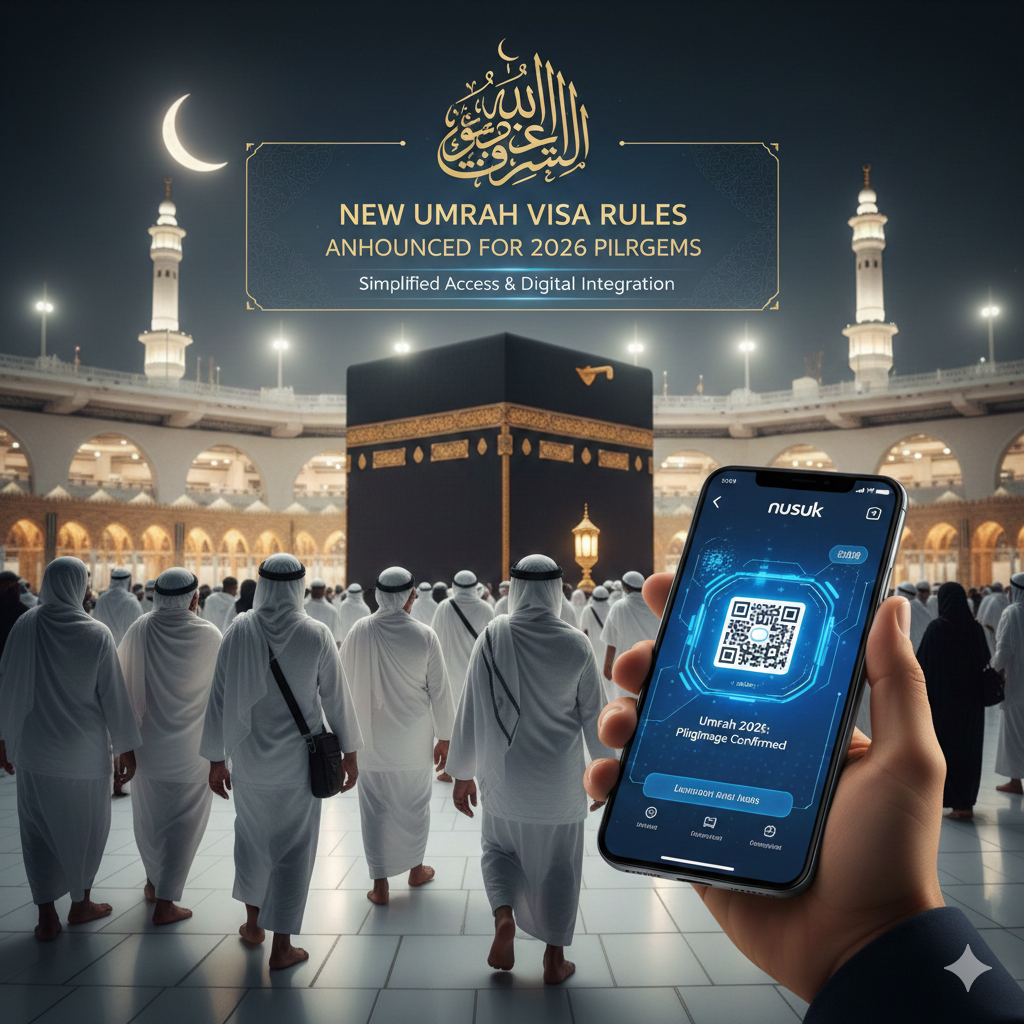
New Umrah Visa Rules Announced for 2026 Pilgrims
-
18-Nov-2024
Hajj Application 2025- New Government Scheme Announced- Key Date and Detail Revealed
-
11-Apr-2022
Policy for Hajj 2022 released by Saudi’s Ministry of Hajj and Umrah
-
13-Feb-2020
British High Commissioner Declared "Pakistan is Safe Country for Tourism"
-
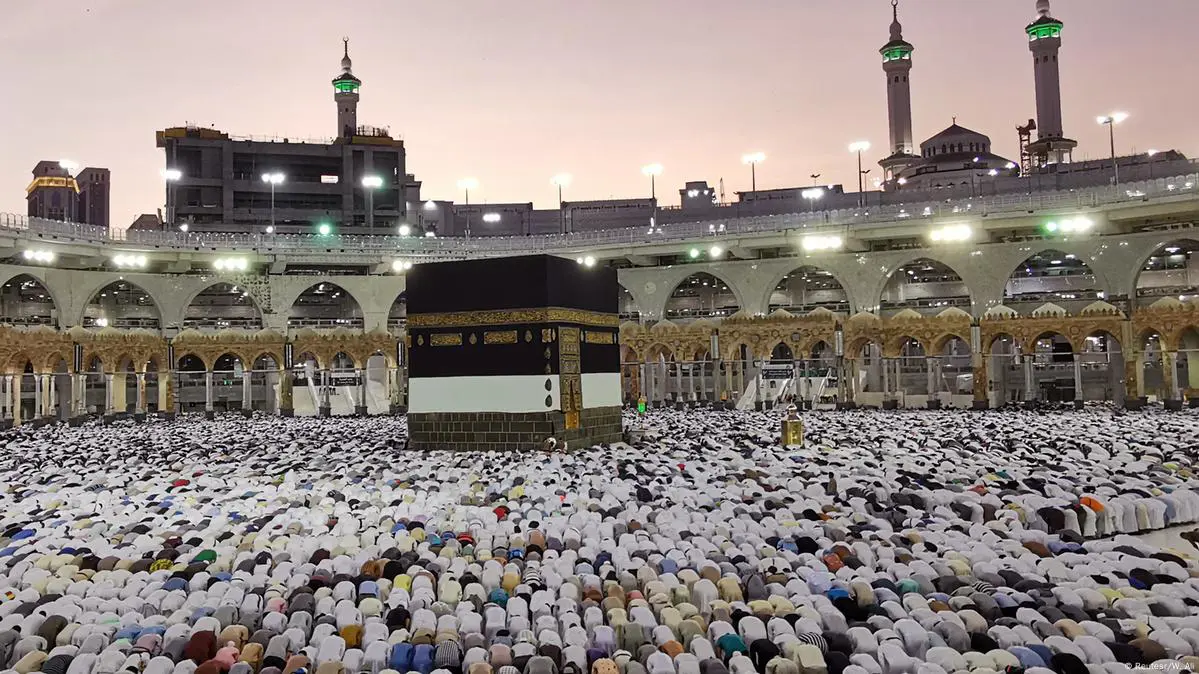
21-May-2025
Hajj 2025: All You Need to Know About the Annual Pilgrimage to Mecca
-
06-Apr-2026
Top 5 Visa Changes Affecting Pakistanis in 2026
-
08-Sep-2025
Book Your 2025 Umrah Package Today: A Guide to Your Spiritual Journey
-

23-Apr-2025
How to book and board Hermain train during Umrah and Hajj
-
19-Mar-2022
PIA International Increased Flight Fares for Umrah
-
01-Mar-2022
Saudi Arabia allows vaccinated children to perform Holy Mosques Ziarat Umrah
