
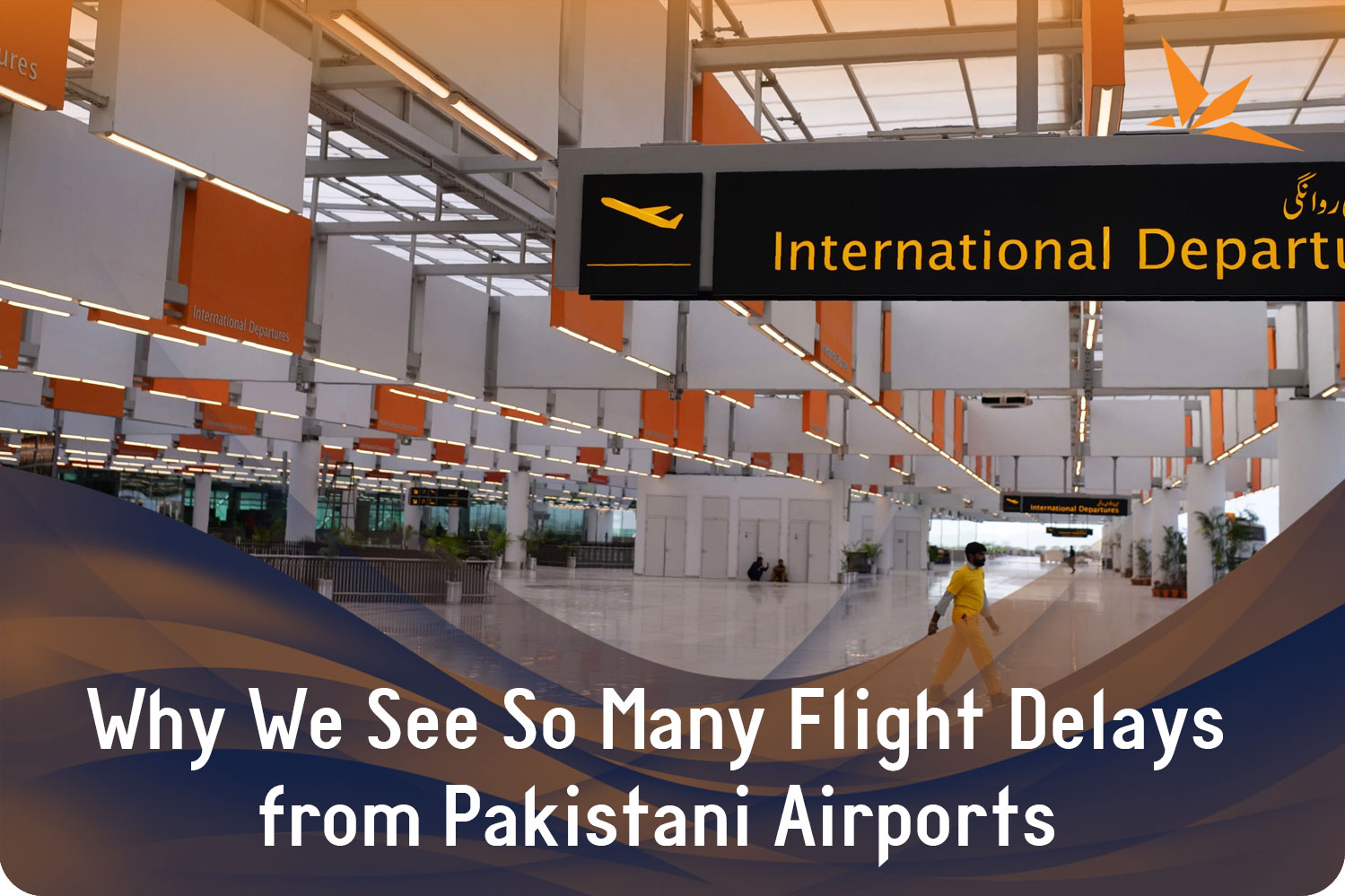
A recent protest by passengers after a flight was delayed due to a technical issue once again brought attention to a problem that Pakistani travelers face regularly: frequent flight delays and operational disruptions.
Whether traveling domestically or internationally, many passengers departing from Pakistani airports have experienced delayed departures, last-minute schedule changes, and extended waiting times. While every delay has its own circumstances, the underlying causes often point to broader challenges within Pakistan's aviation ecosystem.
The Growing Impact of Flight Delays on Travelers
Flight delays are more than just an inconvenience. They can result in:
- Missed international connections
- Missed hotel bookings and tours
- Additional transportation expenses
- Business meeting disruptions
- Visa and travel itinerary complications
- Increased passenger frustration
For travelers flying to destinations in Europe, the Middle East, Asia, and North America, even a short delay can trigger a chain reaction affecting an entire journey.
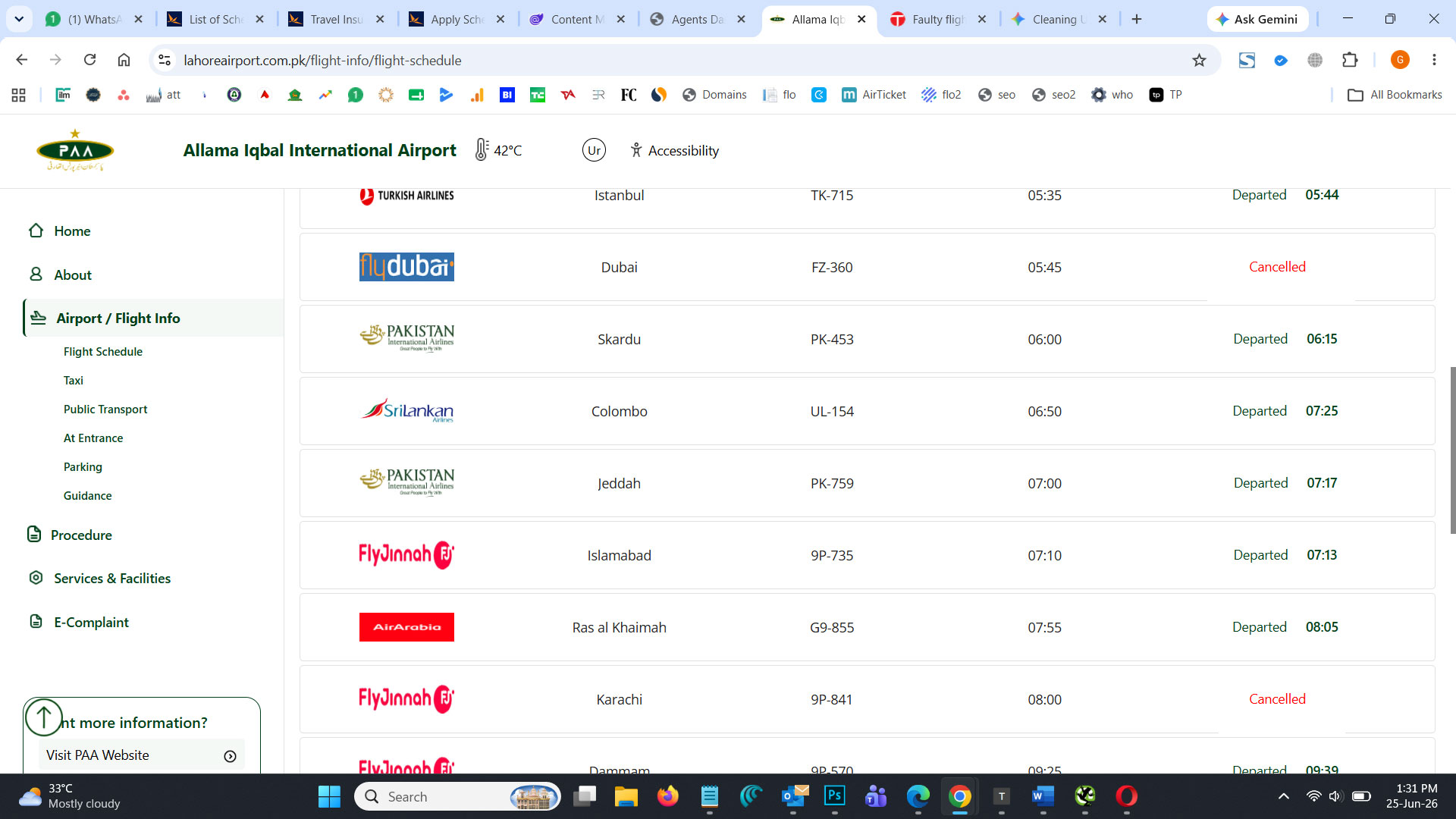
Major Reasons Behind Flight Delays in Pakistan
1. Aircraft Technical Issues
One of the most common causes of flight delays is the discovery of technical faults before departure.
Airlines must prioritize safety and cannot operate aircraft until engineers verify that all systems are functioning correctly.
Common issues include:
- Engine warnings
- Electrical faults
- Hydraulic system problems
- Navigation equipment malfunctions
- Aircraft component replacements
While these delays are frustrating, they are often necessary to ensure passenger safety.
2. Aging Aircraft Fleets
Several airlines operating in Pakistan rely on aircraft that have been in service for many years.
Older aircraft generally require:
- More frequent inspections
- Increased maintenance checks
- Longer repair times
- Greater spare parts availability
This can increase the likelihood of operational disruptions and schedule delays.
3. Limited Backup Aircraft Availability
Many international airlines maintain standby aircraft to minimize disruptions.
In Pakistan, airlines often operate with limited fleet availability, meaning that when one aircraft develops a problem:
- Replacement aircraft may not be available
- Flight schedules become disrupted
- Delays can extend for several hours
4. Airport Infrastructure Constraints
Although major airports continue to improve, infrastructure challenges remain.
Some common issues include:
| Challenge | Impact on Flights |
|---|---|
| Limited parking bays | Aircraft movement delays |
| Runway congestion | Departure bottlenecks |
| Ground handling limitations | Longer turnaround times |
| Security processing delays | Passenger boarding delays |
| Air traffic congestion | Flight scheduling disruptions |
5. Weather-Related Disruptions
Weather remains a major factor affecting flight operations.
Pakistani airports frequently experience:
- Dense winter fog
- Heavy rainfall
- Thunderstorms
- Dust storms
- Low visibility conditions
These factors can delay both arrivals and departures, particularly during winter months.
6. Air Traffic Management Challenges
As passenger traffic continues to grow, air traffic management systems face increasing pressure.
Challenges may include:
- Congested flight routes
- Scheduling conflicts
- Increased aircraft movements
- Regional airspace restrictions
Even small delays can create ripple effects across multiple flights throughout the day.
Why Passenger Frustration Is Increasing
Many passengers understand that safety-related delays are unavoidable.
However, frustration often grows because of:
Communication Problems
- Delayed announcements
- Lack of accurate departure information
- Limited customer service support
- Unclear compensation policies
Passengers are generally more accepting of delays when airlines provide timely and transparent updates.
How Other Countries Reduce Flight Delays
Leading aviation hubs around the world focus on:
Best Practices
- Modern aircraft fleets
- Predictive maintenance systems
- Real
Related News
-

16-Oct-2022
Best Festival in the World
-
12-Jun-2026
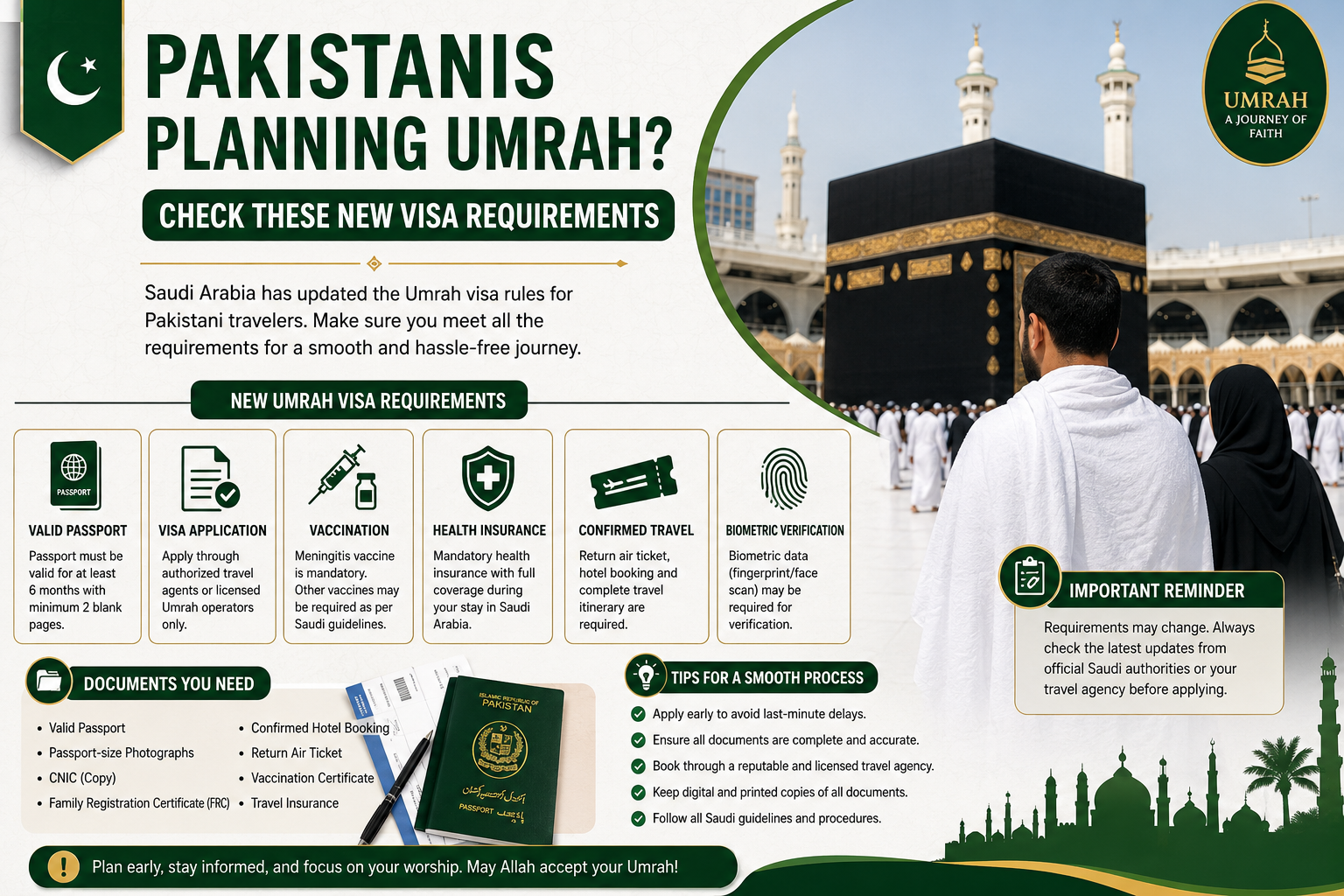
Pakistanis Planning Umrah? Check These New Visa Requirements
-
29-Jun-2026
Hajj and Umrah Data Center Shifts Fully to Cloud as Officials Begin Next Season Planning
-

14-Feb-2022
New Saudi Umrah Visa Fees Pakistan and Rules 2022 Update
-

12-Dec-2019
Best Places to Visit in Islamabad in a Single Day
-

11-Nov-2025
Government Hajj Scheme 2026 Regarding 2nd Installment
-

06-May-2025
Malta Work Visa Process May 2025
-

02-Sep-2019
Umrah Guide for the First time Umrah Performers
-

05-Aug-2020
After Successful Completion Of Hajj Operation, Pilgrims Are Supposed To Perform Umrah With Precautions
-
22-Sep-2026
Rain Risk Could Affect Hunza, Skardu and GB Travel Plans
-

15-Sep-2025
Why the Face Remains Uncovered When a Pilgrim Dies in Ihram
-
23-Apr-2025
How to book and board Hermain train during Umrah and Hajj
